Pathley News
College Wrestling Recruiting Guide 2026: Levels, Offers, Timeline
Learn how college wrestling recruiting really works in 2026, from levels and scholarships to timelines, highlight film, coach contact, and smart next steps.
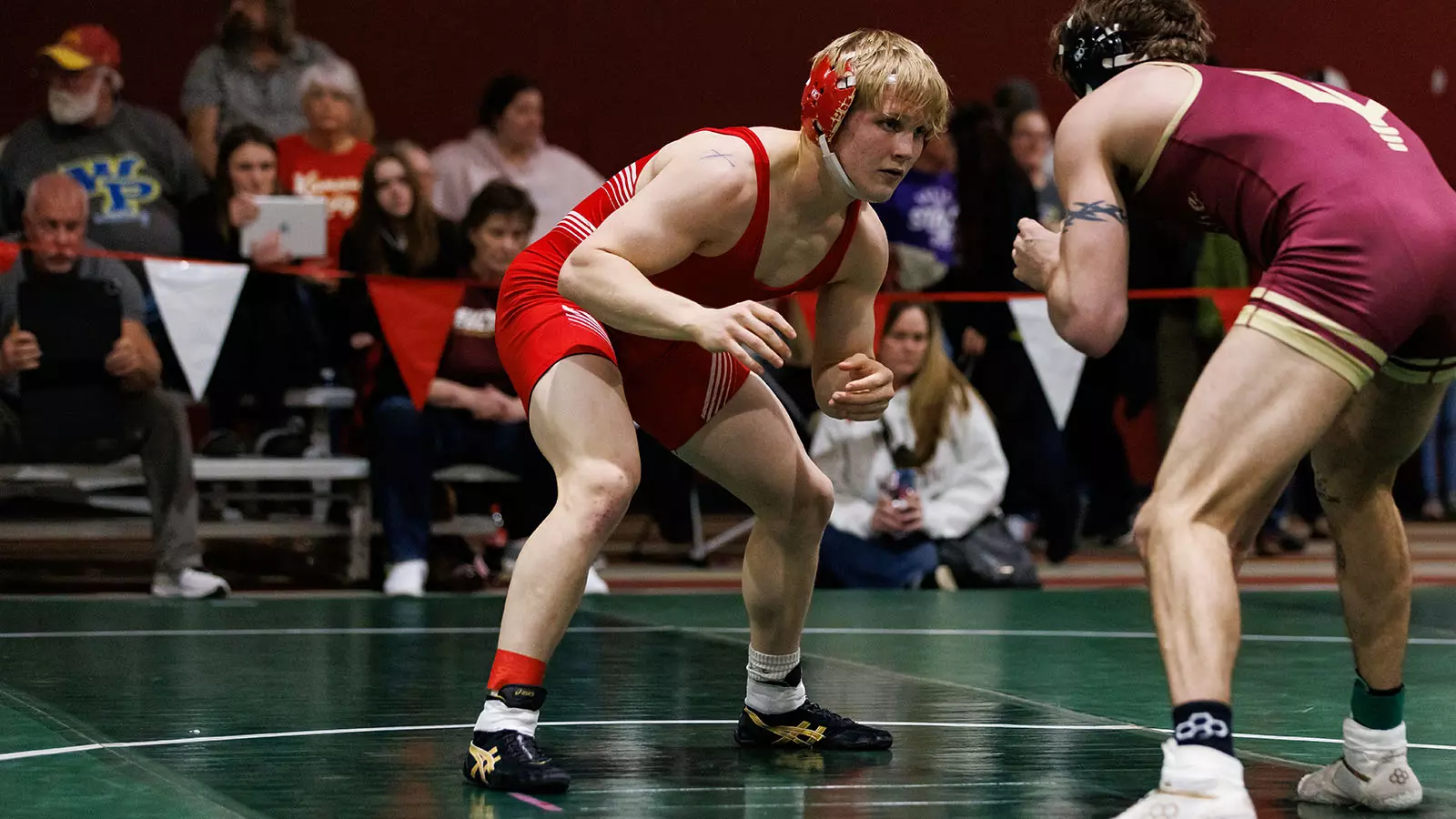
Wrestling is one of the toughest sports on the planet. Early lifts. Late practices. Cutting weight when your friends are crushing pizza. If you are serious about college wrestling recruiting, you already know the grind is real.
What most families do not know is how the recruiting side really works. How good do you actually need to be. When do coaches start reaching out. How much do your grades matter. And how do you stand out when every other kid at nationals is also chasing a roster spot.
Instead of guessing, you need a clear game plan. How does the college wrestling recruiting process work from freshman year to signing? That is exactly the kind of question Pathley is built to answer in real time for you, based on your weight class, results, and goals.
This guide will walk you through the full picture. Levels. Scholarships. Timelines. Coach communication. And how to use modern tools like Pathley to move faster and smarter than most recruits.
Wrestling recruiting does not work like football or basketball. Rosters are smaller. Scholarships are limited. Coaches are trying to build a lineup that covers every weight class, not just collect the most talented athletes.
According to the NCAA, there are hundreds of colleges that sponsor wrestling across Division 1, Division 2, and Division 3, plus many NAIA and junior college programs. You can explore the NCAA's general recruiting and eligibility information at https://www.ncaa.org/sports/2014/10/27/want-to-play-college-sports.aspx.
On the high school side, wrestling has a strong footprint. The National Federation of State High School Associations (NFHS) reports that more than a quarter million athletes compete in high school wrestling each year across the United States. You can see participation trends and sport resources at https://www.nfhs.org/sports-resource-content/wrestling/.
So you have a classic supply and demand problem. Lots of high school wrestlers, but relatively few college spots. The good news is that opportunities exist at many levels if you understand how coaches think and where you realistically fit.
Before you can build a smart recruiting plan, you need to understand the landscape you are trying to enter. Not every college wrestling opportunity looks or feels the same.
Division 1 wrestling is the highest profile level. Big arenas. National TV. Programs like Penn State, Iowa, and Oklahoma State set the standard that everyone else is chasing.
Some key realities about Division 1 wrestling:
• Most rosters are deep and extremely competitive. Many athletes were state champions, multi time state medalists, or national level standouts in high school.
• Scholarships are limited and usually split. Coaches spread money across the lineup, so even top recruits often receive partial athletic aid rather than a full ride.
• Academics matter more than many families expect. If your grades and test scores are weak, you become a risk for the program.
If your goal is Division 1, you need to be honest about your results at the state and national level, your physical development, and your academic profile. We will talk later about how to evaluate your level using Pathley instead of guessing.
Division 2 wrestling is a strong option for many serious competitors. The level is still high, but there is a bit more range in size, style, and background compared with the very top Division 1 programs.
• At Division 2, athletic scholarships are available, but still often split.
• Some rosters include athletes who might be depth players at Division 1 schools, along with late bloomers who developed later in high school.
Division 3 wrestling does not offer athletic scholarships, but do not mistake that for low level competition. Many Division 3 programs are tough, with serious training environments and strong coaching.
• Financial aid at Division 3 usually comes from academic awards and need based aid.
• If you are strong academically and want balance between athletics and other parts of college life, Division 3 can be an outstanding fit.
NAIA wrestling programs have grown quickly, especially for men and women in emerging regions. NAIA schools can offer athletic scholarships, and many are flexible with transfers and non traditional academic paths.
Junior college wrestling, including NJCAA programs, gives athletes a chance to keep competing while improving academically, physically, or technically before moving to a four year school.
For some athletes, two years at a strong junior college can be the launchpad to a bigger opportunity later.
Women's wrestling is one of the fastest growing college sports. More programs are being added every year across NCAA divisions, NAIA, and junior colleges.
Because the sport is still growing, there are real opportunities for women who are serious about training and competing beyond high school, even if they did not start wrestling at a very young age.
Whether you are male or female, the core recruiting basics are similar: you need to know your level, build a clear profile, and get in front of the right coaches at the right time.
At a high level, college wrestling recruiting follows the same framework as other NCAA sports. Coaches evaluate your talent, academics, and fit. They decide who to pursue, who to track, and who to pass on.
But the details matter. Especially timing, communication, and how you stack up by weight class.
Exact contact dates can change as the NCAA updates its rules, so always verify current regulations through official sources like the NCAA eligibility and recruiting information page at https://www.ncaa.org/sports/2014/10/27/want-to-play-college-sports.aspx.
In practice, here is how the timeline usually looks:
• Middle school and early high school: Coaches are not recruiting you directly, but they might notice your name in rankings or big tournament results. This is the time to build fundamentals and a strong academic base.
• Sophomore and junior years: This is prime evaluation time. Coaches watch state tournaments, national events, and club competitions. They also start responding to your emails, social media messages, and questionnaires according to NCAA rules.
• Late junior year and senior year: Many high impact recruiting decisions happen here. Some recruits commit earlier, especially at top Division 1 programs, but plenty of opportunities are still available through senior year, especially at Division 2, Division 3, NAIA, and junior colleges.
Wrestling recruiting is less about one magical event and more about stacking consistent results and smart communication over time.
If you ask different college coaches the same question, you will get slightly different answers. But the core themes repeat over and over: competitive results, projection, academics, and character.
What do college wrestling coaches care about most besides wins and losses? That is a great question to explore with Pathley because context like your weight class, region, and goals matters a lot.
Here are the core things almost every college coach pays attention to.
Competition results
Coaches care about how you perform when the lights are on. They pay attention to:
• State tournament results and medals.
• Placements at national or regional events.
• Who you beat, not just your record.
• How you respond when matches get hard, not just quick pins against weaker competition.
Projection and style
Coaches do not just recruit who you are today, they recruit who they think you can become in two to four years.
They look at:
• Your frame and potential to grow into higher weight classes.
• Your mat awareness and ability to adapt mid match.
• Your effort in neutral, top, and bottom positions.
• Whether your style fits their system.
Academics and reliability
If your academics are shaky, you become a risk. A coach does not want to invest scholarship money and lineup plans into someone who might not stay eligible.
Good grades tell a coach two big things:
• You can handle the academic load that comes with travel, training, and competition.
• You are disciplined enough to manage your time and responsibilities.
Character and culture fit
Wrestling is brutal. Every coach has stories of talented athletes who were not great teammates or who broke down when adversity hit. Culture matters.
Coaches will ask your high school and club coaches what you are like in the room, how you handle losses, how coachable you are, and how you treat teammates and staff.
Once you understand what coaches look for, you need to present your story clearly. That is where your recruiting profile, highlight film, and resume come in.
Your core recruiting materials should include:
• Basic info: name, graduation year, weight class, height, dominant hand, and contact details.
• Academic profile: GPA, test scores if you have them, and any honors or advanced coursework.
• Wrestling resume: varsity record, key tournaments, placements, notable wins, and club teams.
• Highlight film: short, focused clips that show your best sequences, not just every match you ever wrestled.
Pathley's free Athletic Resume Builder can turn your stats, results, and video links into a polished, coach ready PDF in minutes. Instead of spending hours fighting a template, you can plug in your information, let the AI do the formatting, then use that resume in emails and messages to coaches.
You can also keep your information organized and updated inside Pathley so you are not hunting through random documents every time a coach asks for your latest results.
Here is the truth that many athletes do not want to hear. Most wrestlers will not be discovered randomly. You need to put yourself in front of coaches in a smart, respectful way.
Compete where coaches actually recruit
Big state tournaments, regional events, and national level competitions are major evaluation points. College coaches use those events to see hundreds of athletes in a few days. If your budget or schedule makes travel tough, that is where being strategic matters even more.
Reach out directly
Email is still the primary communication tool for most college coaches. Social media messages and recruiting platforms can help, but a focused email with your key information and video link is often the best starting point.
In that first email, you want to show three things quickly:
• Why you are interested in their program.
• Why you might be a good fit for their lineup and school.
• How they can quickly learn more about you, including your video and resume.
Once a coach knows who you are, they can watch you more closely at upcoming events, respond when rules allow, and share your info with other coaches on staff.
Use smart tools instead of spreadsheets and guesswork
Instead of trying to track every school manually, you can build and refine your target list inside Pathley. Which college wrestling programs match my results, weight class, and academics? That is exactly the kind of question Pathley's AI is designed to help you answer.
From there, you can use the free Pathley College Directory and the dedicated Wrestling Pathley Hub to look up programs, save schools that fit, and start organizing your outreach.
One of the hardest parts of college wrestling recruiting is being honest about where you fit. Too many athletes focus only on dream Division 1 programs and ignore great options at other levels.
Here is a simple way to think about your level.
Signs that high level Division 1 might be realistic
• Multiple state championships or consistent top placements in strong states.
• National level placements or deep runs at elite events.
• Wins over known recruits who are already talking to Division 1 programs.
• Strong academics that clear school specific admission standards.
Signs that Division 2, strong Division 3, or NAIA might be a great fit
• State qualifiers or medalists in competitive states.
• Strong regional or multi state tournament results, even without national hardware.
• Solid but not elite physical measurables for your weight class right now, with room to grow.
• Good academic profile that will help with merit aid at private schools.
Paths where junior college could make sense
• You started wrestling later and your technique is still catching up, but your trajectory is strong.
• Your academics or test scores need improvement to clear four year admission standards.
• You are still figuring out your best weight class and need time to mature physically.
You do not have to guess this on your own. Pathley's College Fit Snapshot helps you see how your academics and athletic background line up at specific schools, then gives you simple context and next step ideas.
You can also use Pathley's Rankings Directory as a starting point to find programs that match what you care about most, from academics and affordability to overall strength, then let the AI help you turn long lists into a focused target school plan.
How can I tell if I am a realistic recruit for Division 1 college wrestling? That is a question you should not try to answer in your head. Use real data, honest feedback, and tools that pull everything together for you.
Even motivated athletes make avoidable mistakes that slow down their progress or hurt their chances.
Waiting too long to get organized
Many wrestlers wait until late junior year to start thinking about recruiting. By then, some doors are already closed. You do not need to panic as a freshman, but you should be tracking your grades, competition results, and potential schools much earlier.
Chasing only name brand programs
There is nothing wrong with aiming high. But if your entire list is top 10 Division 1 programs and your results are not at that level, you are setting yourself up for frustration.
Balanced lists with a mix of ambitious and realistic options usually lead to better outcomes and less stress.
Sending generic messages to coaches
Coaches can tell when you copy and paste the same email to 50 schools. They want to see that you understand their program, why it fits you, and where you might fit them.
Ignoring academics
Your academic profile can be the deciding factor between two similar recruits. Strong grades and test scores open more doors, create more scholarship options, and make you more attractive to coaches who do not want eligibility headaches.
Trying to do everything manually
Spreadsheets, sticky notes, and group chats with your parents and coaches are not a system. When you are juggling tournaments, schoolwork, training, and recruiting tasks, things will fall through the cracks without a structured plan.
Traditional recruiting services focus on static profiles and mass marketing. Wrestling families today need speed, personalization, and clear guidance that adapts as seasons change.
Pathley is built as an AI first recruiting guide, not a directory you just hope coaches stumble across.
Here is how it helps wrestlers specifically:
• You can ask sport specific questions in plain language and get clear, personalized answers that reflect your level, goals, and timeline.
• You can explore wrestling programs in one place using the dedicated Wrestling Hub, then filter by academics, cost, location, and more.
• You can quickly build a clean, coach ready athletic resume and keep your information up to date in one spot.
• You can evaluate fit, not just name recognition, using tools like College Fit Snapshot and the Rankings Directory.
Instead of trying to remember everything or figure it out from random social media advice, you get a structured way to move forward step by step.
College wrestling recruiting is intense, but it does not have to feel impossible. You need clarity on your level, a realistic target school list, and a simple system for communication and follow through.
What should my next 30 days of college wrestling recruiting look like? That question alone can reset your focus from vague worry to concrete action when you run it through Pathley.
Here is the big picture you should take away:
• There are real opportunities in college wrestling at many levels, not just the biggest Division 1 names.
• Your results, projection, academics, and character all matter to coaches.
• Waiting, guessing, and hoping someone discovers you is not a strategy.
• Modern tools can turn the chaos into a clear, personalized plan.
Pathley is built for exactly this moment. It gives wrestlers, parents, and coaches a fast, intelligent way to understand where you stand, what schools make sense, and what to do next.
College wrestling recruiting is competitive, but with the right information and the right system, you can attack it with the same confidence and intensity you bring to every match.
Rosters, coaches, and division breakdowns for every NCAA and NAIA program we track.