Insight
College Tennis Recruiting Guide: Levels, Scholarships, Timeline
Understand how college tennis recruiting really works. Learn levels, scholarships, timelines, resumes, video, and coach contact strategies for players and parents.
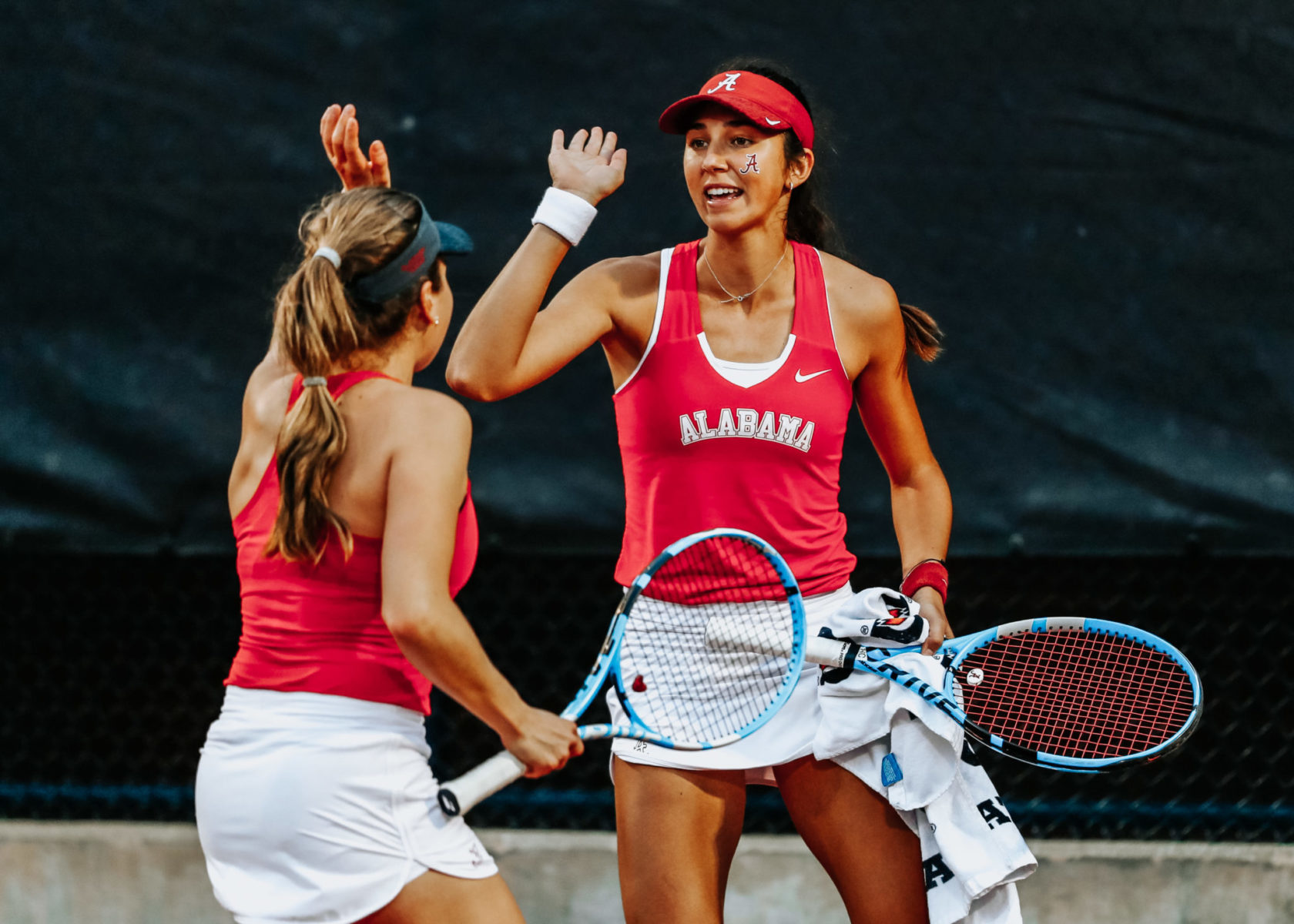
You love tennis enough to spend weekends at tournaments, hit balls under the lights, and drag a roller across wet courts just to get a practice in. But when it comes to college tennis recruiting, it probably feels like a totally different sport.
There are ratings, rankings, and acronyms everywhere. UTR. WTN. ITF. USTA. International players filling rosters. Coaches who barely respond. A scholarship system that sounds like a puzzle. Meanwhile, other families seem to have a secret playbook you have not seen.
This guide is that playbook. We will walk through how college tennis works at each level, what coaches actually care about, how to build a real recruiting profile, and what to do each year of high school so you are not scrambling as a senior.
If you want personalized help while you read, you can always let Pathley break it down for your exact situation by asking: How does the college tennis recruiting process work for my graduation year and rating?
Tennis is global, and college tennis reflects that. Many rosters, especially at the top Division 1 level, include players from all over the world. Coaches are comparing you not just to players in your state, but to athletes in Europe, South America, and beyond.
On top of that, your level is judged less by basic stats and more by tools like UTR or WTN, plus your tournament results. Two players with the same high school record can be viewed very differently based on who they have played and where they have competed.
There is also a maze of rules about when coaches can email, text, or call you. The NCAA publishes sport specific recruiting calendars and rules on its site, and you can always double check current regulations there, starting with the general recruiting information at the NCAA Guide for the College Bound Student Athlete.
Finally, scholarship money in tennis works differently than many families expect. Most players do not get a full ride. Instead, they piece together athletic money, academic scholarships, and need based aid from the financial aid office.
If you feel overwhelmed, you are not behind. You are just dealing with a system that was not built to be simple. That is exactly why modern tools like Pathley exist, to translate the chaos into clear steps you can actually follow.
Before you worry about offers, you need a realistic picture of where you might fit. College tennis is played across several associations and levels, and they are very different experiences.
Division 1 is what most athletes picture when they think about college sports. For tennis, that usually means:
• Stronger overall level of play, often with international recruits and players who competed in high level junior events.
• More time demands, travel, and year round training.
• Limited roster spots and heavy competition for them.
Division 2 still offers very competitive tennis, but often with a bit more balance between athletics and life off the court. Squad depth varies widely from top 20 nationally ranked programs to smaller regional schools.
Division 3 has no athletic scholarships, but that does not mean the tennis is casual. Top D3 programs can be extremely strong. What changes is how coaches build rosters and how financial aid is packaged, with more emphasis on academics and need based aid.
You can explore NCAA tennis programs and divisions directly on the NCAA site at the NCAA tennis page to get a feel for how many schools sponsor the sport at each level.
The NAIA and junior colleges (JUCO) are often overlooked, but they are legit paths.
Many NAIA tennis programs are highly competitive and can offer athletic scholarships with more flexible recruiting rules than the NCAA. Some rosters look very similar to mid level NCAA Division 1 or strong Division 2 teams.
Junior colleges give players a chance to keep developing, raise their academics, and then transfer into four year schools. For late bloomers or athletes who started taking tennis seriously a bit later, JUCO can be a smart bridge.
The National Association of Intercollegiate Athletics shares general eligibility and scholarship information at the NAIA Eligibility Center, which applies to tennis along with other sports.
Instead of locking yourself into one label, think in terms of level and fit. There are high academic mid major Division 1 schools, powerhouse Division 3 programs, small colleges where you can be the day one starter, and everything in between.
Resources like the Pathley Tennis Hub and the broader Pathley College Directory make it easier to see the whole landscape, not just the handful of famous programs everyone already knows.
One of the fastest ways to get confused is trying to understand how scholarships work in tennis. Two terms matter a lot here: headcount sports and equivalency sports.
In a headcount sport, each scholarship counts as one full scholarship. Coaches either give you a full scholarship or nothing at all. In an equivalency sport, coaches get a pool of scholarship money they can split into partial awards.
In NCAA Division 1, women’s tennis is a headcount sport, so a fully funded program can offer up to eight full scholarships. Men’s tennis is an equivalency sport, which means a fully funded team can divide 4.5 scholarships across the roster.
Division 2 tennis is typically equivalency for both men and women, so even the best players usually receive partial scholarships combined with academic or need based aid. Division 3 tennis does not offer athletic scholarships at all, but packages academic awards and financial aid instead.
The big takeaway is this: most tennis players are not getting a full ride that covers everything. Many families underestimate how valuable strong grades and test scores are, because academic money can stack with athletic and need based aid to get you close to a full package.
The NCAA shares high level data on how many high school athletes actually go on to play college sports at its probability of competing in college athletics page. Tennis is competitive, but there are far more roster spots than most people realize if you include all divisions and associations.
If you are not sure how realistic a scholarship is for your family, this is a perfect time to ask a targeted question like What UTR rating and tournament results do I need for my target level of college tennis recruiting? and let Pathley evaluate your situation in context.
Coaches are busy. On top of coaching their current team, they are reviewing hundreds of emails, videos, and messages from recruits every year. To catch their attention, your profile needs to speak their language fast.
For college tennis recruiting, your on court level has to come through clearly. Coaches care about:
• Verified ratings such as UTR or WTN.
• Tournament results, especially in higher level events or strong draws.
• Who you are beating, not just your overall win loss record.
Many top Division 1 men’s programs recruit players with UTR ratings in the low to mid teens, while strong Division 3, NAIA, or mid level Division 2 teams might look at players a couple points lower. On the women’s side, competitive UTR ranges are slightly lower but follow the same pattern, with the very top programs recruiting internationally and from the highest level juniors.
These are ballpark ideas, not hard cutoffs. Every program, roster, and recruiting year is different. A coach might stretch for a player whose style is a perfect fit, who fills a positional need like doubles, or who brings strong academics and leadership.
Your video is often a coach’s first live look at you. They are not trying to see the fanciest edit. They want to see if your level fits what they recruit.
What to show in your video:
• A short intro slide or spoken intro with your name, grad year, height, dominant hand, and current rating.
• Groundstroke rallies from both sides, including forehand and backhand crosscourt and down the line.
• Serves from both sides with a clear look at pace, spin, and consistency.
• Points and games that show your movement, decision making, and competitiveness, ideally against strong opponents.
Keep it tight. Most coaches will not watch a 12 minute video from a player they do not know yet. Think in the three to five minute range, with your best stuff early, and then link longer unedited match footage for anyone who wants more detail.
Academic standards vary by school, but every coach is nervous about bringing in a player who might struggle in the classroom or become ineligible. Good grades and a challenging schedule can be a real recruiting advantage.
Coaches also look hard at how you handle adversity. Do you compete when you are down? Do you fight for every ball in practice? Do you respect opponents and officials? They talk to your high school or academy coaches, sometimes even tournament directors, to get the full picture.
If you are not sure what parts of your profile are helping or hurting you, consider asking something like Am I on track for college tennis recruiting based on my year in school and current rating? so Pathley can evaluate your academics, level, and goals together.
Your tennis resume and video should make it ridiculously easy for a coach to understand who you are, how you play, and whether they should keep watching.
Key sections for a tennis recruiting resume:
• Basic info: name, graduation year, hometown, height, dominant hand, contact info.
• Academic profile: GPA, class rank if available, test scores if you have them, intended major interests.
• Tennis metrics: UTR and or WTN, national and sectional rankings, ITF or international rankings if relevant.
• Tournament highlights: best recent wins, strongest events you have played, and any titles or deep runs.
• Training environment: academy or high school team, weekly practice volume, fitness and strength work.
• Links: highlight video, full match videos, and any media or write ups.
You can build this in a simple document, but it is easy to miss important details or format it in a way that is hard to skim. The Pathley Athletic Resume Builder walks you through what to include for your sport, then turns your info into a clean, coach ready PDF in minutes.
For video, you do not need professional cinematography. A smartphone on a tripod or back fence works fine if the angle is stable and the ball is easy to track. Prioritize clarity over fancy edits or music. Coaches will mute your audio anyway.
The best time to start is earlier than you think. But even if you feel late, you still have options. Here is a practical way to think about your recruiting timeline without obsessing over every date on the NCAA calendar.
These years are about building a foundation.
• Improve your level and consistency. Get the reps, play a lot of matches, and push yourself into tougher draws when you are ready.
• Start tracking your rating and rankings, and pay attention to how they move when you adjust your schedule.
• Build a basic resume and simple video, even if you know it will get updated later. It is easier to refine something than start from zero.
Coaches at higher levels might notice you through tournament results or ratings, but direct contact usually ramps up later, once NCAA rules allow more communication. These early years are about giving future coaches a reason to care.
For most players, junior year is the heart of college tennis recruiting.
• Keep pushing your level. Make your tournament schedule match the schools you hope to reach. If you want high level Division 1, you should be testing yourself in strong national or international events.
• Refine your resume and video, then start reaching out to programs that match your level, academics, and goals.
• Visit campuses unofficially when you can. Even simple drive through visits help you understand what you actually like.
This is also when rules for contact open up more, especially at the NCAA Division 1 and 2 levels. Make sure you understand the basics of when coaches can call, text, or email you, and always double check current rules on the NCAA site.
Senior year looks very different depending on how early you started and what level you are chasing.
• Some players commit early in their senior year and focus on preparing to contribute right away.
• Others are still raising their rating, picking up late interest from schools that lose recruits, or shifting toward Division 2, Division 3, NAIA, or junior colleges.
• A small group decide on gap years or post grad options to keep improving before enrolling.
Wherever you fall, you need a clear plan. You do not want to be guessing at which emails to send or visits to take in the middle of your final high school season.
If you are not sure what your next few months should look like, this is exactly the type of situation where it helps to ask Pathley something like How should I follow up with a college tennis coach who has not responded to my email yet? and get a step by step plan instead of guessing.
Many players either never email coaches at all, or they blast the same generic message to 200 programs and wonder why nobody responds. You want to land in the middle: intentional, specific, and respectful of a coach’s time.
What a good first email looks like:
• Subject line that includes your name, grad year, and rating, for example: 2027 left handed singles player, UTR 10.2.
• Short intro with who you are, where you are from, and your basic academic and athletic profile.
• One or two sentences on why you are genuinely interested in that school and program.
• A link to your resume and highlight video, plus your upcoming tournament schedule.
Keep your email under a few short paragraphs. Coaches are more likely to respond to concise messages that clearly show how you might fit their roster.
Following up is normal. If a coach does not respond, wait a reasonable amount of time, then send a short, updated note with any new results or rating jumps. If you still do not hear back after a couple of tries, it usually means you are not a priority for that program right now, and that is okay. Move your energy toward schools that are engaging with you.
Remember, coaches also recruit based on timing and need. Sometimes a program that ignored you as a sophomore suddenly becomes interested as a senior when they graduate a left handed doubles specialist who looks a lot like you.
All of this can sound like a lot: ratings, levels, scholarships, rules, emails, visits. But you do not have to figure it out alone or hire an old school, expensive recruiting service.
Pathley is built as an AI first recruiting guide that works the way athletes and busy families actually live. Instead of digging through dozens of random websites, you can ask specific questions, see how your profile stacks up at different levels, and learn what to do next in minutes.
With Pathley, you can:
• Explore tennis programs that fit your academics, level, and goals using the Pathley Tennis Hub and broader college tools.
• Build a clean, shareable athletic resume through the Athletic Resume Builder so coaches immediately understand your profile.
• Discover new schools and organize a focused target list inside tools like the Pathley College Directory, instead of scrolling aimlessly.
• Get fast, personalized answers any time you are stuck, from “Should I play this tournament or that one?” to “How do I respond to this email from a coach?”
If you have read this far, you are serious about your future. The next step is turning information into a real plan. Your college tennis recruiting journey does not need to be guesswork.
Rosters, coaches, and division breakdowns for every NCAA and NAIA program we track.








