Insight
College Recruiting Checklist: Step-by-Step Guide 2026 For Athletes
Build a clear, realistic college recruiting checklist that works. Learn what to do, when to do it, and how Pathley's AI tools keep you on track in 2026.
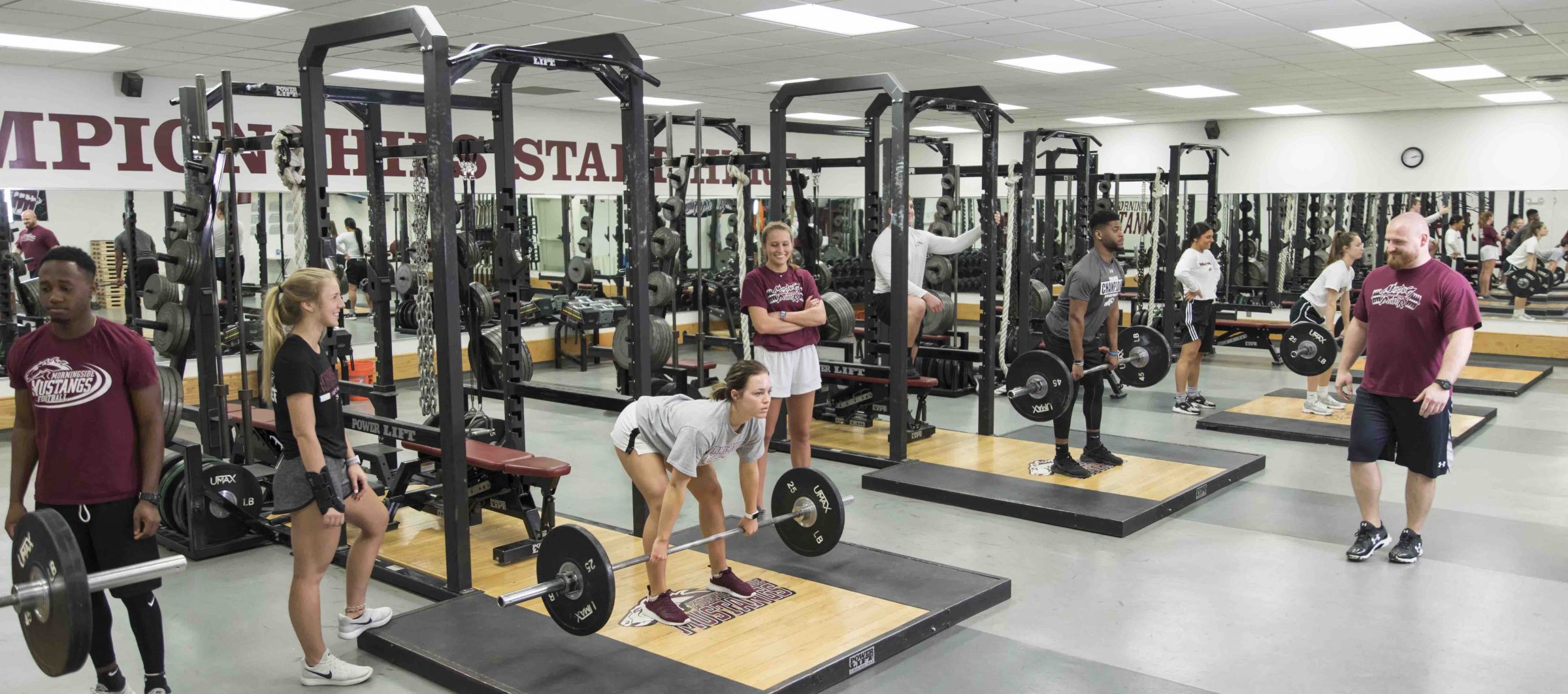
If you are serious about playing your sport in college, you probably have a phone full of screenshots, random advice from older teammates, and a parent asking, So... what are we supposed to be doing right now?
What you really need is a clear college recruiting checklist. Not a vague dream like Get recruited. A specific, step by step game plan you can actually execute between school, practice, and life.
This article breaks the whole process into simple phases, then turns each phase into concrete actions. By the end, you will know exactly what belongs on your own college recruiting checklist and how to keep it updated as your situation changes.
Most athletes do recruiting in bursts. You get motivated, send a few emails, maybe fill out a questionnaire, then life gets busy and nothing happens for weeks. That start stop pattern is exactly how opportunities quietly disappear.
A real college recruiting checklist fixes that in three ways.
• It turns a giant confusing process into a series of small, doable tasks.
• It keeps your parents and coaches on the same page instead of guessing.
• It gives you something to measure. You can literally see progress, not just hope for it.
The point is not to obsess over every box. The point is to always know the next right move, based on your sport, your grad year, and your current recruiting reality.
That is also why Pathley exists. Instead of leaving families to piece things together from social media and message boards, Pathley uses AI to translate the complex recruiting world into clear steps that fit you.
Every sport has different timelines and rules, especially across NCAA Divisions I, II, III, NAIA, and junior colleges. The checklist below is built around phases instead of strict dates so you can adapt it.
Think of your college recruiting checklist as a living document built around four big buckets.
• Eligibility and academics.
• Athletic profile and exposure.
• Target school list and coach communication.
• Visits, offers, and final decision.
You might move through some buckets faster than others. That is normal. The key is that you do not skip any category entirely.
You can be a beast in your sport, but if the grades and eligibility are not there, coaches cannot sign you. That is not negotiable.
Before you stress about offers, you and your parents should understand the basic academic and amateurism requirements for your possible levels.
• For NCAA schools, start with the NCAA College Bound Student Athlete resources at https://www.ncaa.org/sports/college-bound-student-athletes.
• For NAIA schools, review the NAIA Eligibility Center information at https://www.naia.org/membership/eligibility-center.
These official sites explain core courses, GPA minimums, test score requirements when used, and how amateurism and eligibility are certified. You do not need to memorize every detail, but you should know what GPA target you are chasing and which classes matter most.
Here are core academic items almost every athlete should consider adding to their college recruiting checklist.
• Map out your high school courses against NCAA or NAIA core requirements with a counselor.
• Aim for a GPA that gives you options. Higher academics open more doors, especially for Division III and high academic programs.
• Keep unofficial copies of transcripts and test scores ready to share when coaches ask.
• If you are aiming at NCAA or NAIA schools, plan when you will register with the Eligibility Center or NAIA Eligibility Center, usually mid to late high school.
How do NCAA and NAIA academic requirements affect my college recruiting checklist for my grad year?
This part of your checklist is not exciting, but it is the foundation. Coaches relax a lot more when they know your grades and eligibility will not blow up their recruiting plan.
Once academics are on track, your next bucket is your athletic profile. This is how coaches quickly understand who you are as a player.
Every sport has different numbers that matter most. For some it is speed and jumping, for others it is scoring, rankings, times, or verified measurables.
Your college recruiting checklist should include tasks like these.
• Collect and update your basic info height, weight, position, grad year, dominant hand or foot.
• Track key stats for your sport from high school, club, or tournaments.
• Capture verified metrics when possible, like laser timed speed or official meet results.
Coaches do not expect you to be perfect. They do expect your information to be organized and honest.
Instead of a messy Google Doc, build a simple, clean sports resume you can send in every email.
At a minimum, include your basic info, academic profile, athletic experience, key stats or results, and link to video. It should be one or two pages, max, and easy to skim on a phone.
If you want help, the Pathley Athletic Resume Builder turns your stats and info into a polished PDF in minutes so you can spend time playing instead of fighting with formatting.
Your highlight or skills video is often the first impression a coach gets. It does not need to be a cinematic project. It needs to be clear, efficient, and honest.
On your checklist, add tasks like recording or collecting game film, clipping your best plays or reps, and organizing playlists by position, skill, or year. Make sure your jersey number and team are visible. Always lead with your strongest clips and put your basic info on screen at the start.
You can refine or replace your video as you improve, but you cannot skip this step if your sport relies on video for evaluation.
This is where a lot of athletes quietly stall. They say they want to play in college, but they cannot name more than two or three schools that actually fit them.
Your college recruiting checklist should include time to research, rank, and constantly update your target list.
Early on, it is okay if your list is messy. In fact, it should be. You are just collecting possibilities and learning the landscape.
• Explore different levels NCAA, NAIA, junior colleges and see where athletes like you have had success.
• Look at academics, majors, size, location, weather, and cost, not just the logo on the jersey.
• Ask your current coaches which levels they realistically see you playing at if you continue to develop.
Tools like the Pathley College Directory and Rankings Directory make this much faster by letting you filter schools by academics, cost, and competitiveness instead of bouncing between twenty tabs.
Over time, you want a balanced list of programs that are ambitious, realistic, and safer options academically and athletically.
How many schools should be on my college recruiting checklist at each level?
Once a school is on your radar, dig a little deeper before you reach out.
• Check recent rosters for height, position, hometown, and where players came from.
• Look at conference standings and results to see how competitive they are.
• Scan academic programs and graduation rates through the school website.
With Pathley, you can run a quick College Fit Snapshot for a school and see academics, athletics, and campus fit on one simple page, instead of hunting for clues on different websites.
Once your foundation is in place, coaches need to know you exist. Sitting back and waiting to be discovered is how most recruiting dreams die.
Email is still the primary way most college coaches want to be introduced to new prospects, especially at the college level below the giant national powers.
Your college recruiting checklist for communication should include steps like creating a simple email template, personalizing each message with why you fit that school, attaching or linking your resume and video, and tracking who you contacted and when.
Social media can support this, especially for sports where coaches post questionnaires, prospect days, or camp invites. Just remember that every public post is part of your recruiting resume whether you like it or not.
What is the best way to introduce myself to college coaches for my sport?
If you want a deeper breakdown of what to say, when to send it, and how to follow up, Pathley Chat can walk you through a sport specific communication plan and even help draft messages for you.
As coaches begin to reply, your checklist should shift from only sending messages to managing conversations.
• Track who opened or responded to your emails.
• Note which schools are sending camp invites or asking for updated video.
• Update your target list based on the interest level and your changing goals.
Inside the Pathley platform, you can keep all of this info tied to schools in one place instead of buried in a crowded inbox or spreadsheet.
At some point, recruiting has to get off the screen and onto the field, court, or campus. That is where visits and events come in.
There are two basic categories of campus visits in NCAA sports. Official visits, where the school can pay for some of your travel and expenses, and unofficial visits, where you and your family pay your own way. Each division and sport has its own rules about when those can happen and how many are allowed.
Before scheduling anything, compare your plan with the latest information on the NCAA site and your sport governing body. A helpful starting point is the NCAA resources for recruits and families at https://www.ncaa.org/sports/college-bound-student-athletes.
Your checklist for visits might include researching distances and travel costs, talking with coaches about good times to come, preparing smart questions about academics and team culture, and reflecting afterward on how the campus actually felt.
Camps, clinics, combines, and showcases can be powerful or a total waste of money. The difference is usually your strategy.
Before you add an event to your college recruiting checklist, ask yourself if coaches from your real target schools will be there, if the level of play will push you, and if your current skill level is ready for that environment. You do not have to attend every event you are invited to.
Pathley sport hubs, like the Soccer Pathley Hub, Basketball Pathley Hub, or Softball Pathley Hub, can help you see how specific events fit into the bigger picture for your sport instead of guessing.
The financial side of recruiting can be the most confusing and emotional part of the process. Every family hears stories about full rides, but the reality is that most packages are a blend of athletic aid, academic merit, and need based financial aid.
According to the NCAA, only a relatively small percentage of high school athletes receive any athletic scholarship money at all across all divisions. That means it is crucial to understand what different levels typically offer and how your academics can stack with that aid.
On your college recruiting checklist, include actions like talking honestly as a family about budget ranges, researching average scholarship amounts for your sport and division, filling out the FAFSA and any institutional aid forms on time, and asking coaches clear questions about how their scholarship process works for your position or event.
Remember that Division III schools do not offer athletic scholarships but often provide strong academic and need based aid. NAIA and junior colleges may package aid differently than NCAA schools. The key is not being surprised late in the process.
By now, you can see that getting recruited is not one giant moment. It is a series of small, consistent actions across academics, athletics, communication, visits, and money. A strong college recruiting checklist pulls all of that into a single, clear view.
Your college recruiting checklist should never be a one time document. It should evolve as you grow, as your stats improve, as coaches respond, and as your academic or financial picture changes. What you need as a rising sophomore might be very different from what you need as a senior making final decisions.
Can you turn this college recruiting checklist into a week by week plan for me?
This is exactly where Pathley shines. Instead of a static checklist or generic recruiting profile, Pathley acts like a smart assistant that tracks where you are and tells you what to do next.
• Use Pathley Chat to get sport specific guidance, from timelines to coach communication ideas.
• Use the College Directory and Rankings Directory to build, edit, and prioritize your target school list.
• Use the Resume Builder to keep your player info polished and ready to send in every message.
• Use tools like College Fit Snapshot to see, in one place, how well a school matches you on academics, athletics, and campus environment.
Instead of doing all this in scattered notes, you get one connected system that updates as you go.
If you take nothing else from this article, remember this. Athletes who win in recruiting do not just hope coaches find them. They follow a plan, adjust as they learn, and keep moving.
Start by sketching out your own college recruiting checklist across the six phases in this guide. Be honest about where you are strong and where you are behind. Then, let Pathley help you fill the gaps and keep you accountable.
You do not need an expensive traditional recruiting service to get organized. You need clarity, structure, and a tool that works as hard as you do.
Rosters, coaches, and division breakdowns for every NCAA and NAIA program we track.








