Insight
College Prospect Camps vs Showcases: Real 2026 Recruit Guide
Confused by prospect camps, showcases, and exposure events? Learn the real differences, how coaches use each, and how to build a smart, affordable event strategy.

If you are serious about playing college sports, you will eventually run into a wall of events: prospect camps, ID camps, showcases, combines, exposure tournaments, and more. Every email subject line sounds urgent. Every graphic promises recruiters in the stands. Your family budget, however, is very real.
Choosing where to spend your time and money is one of the biggest decisions you will make in the recruiting process. The wrong events drain your schedule and wallet. The right ones can move you onto a coach's real radar in a single weekend.
This guide breaks down college prospect camps vs showcases in plain language, so you understand what each event really does for you, how college coaches use them, and how to build a smart events strategy for your sport, level, and timeline.
If you want instant, sport specific help as you read, try asking Pathley directly: What types of college prospect camps or showcases make the most sense for my sport and graduation year?
It is easy to get lost in event names. One camp calls itself 'elite'. Another calls itself a showcase. Someone else calls their event a combine. Underneath the marketing, they all exist for the same basic reason.
The real job of any recruiting event is to help college coaches evaluate athletes in person and help athletes connect with the right coaches.
Every good event should help you do at least one of these things.
• Get evaluated in person by college coaches who can actually recruit you.
• Build or strengthen real relationships with those coaches.
• Collect video, verified stats, or times that you can send to coaches later.
• Learn how you stack up and what you need to improve.
The NCAA reminds families that recruiting is a long term process, not a one day tryout. Their overview for future college athletes at NCAA.org makes it clear that being proactive, communicating with coaches, and understanding rules matters far more than just showing up to random events.
Prospect camps and showcases are simply different tools inside that bigger journey. To use them well, you have to understand how they actually work.
College prospect camps are usually run by a specific college program, or by a small group of colleges partnering together. Think 'State University Prospect Camp' or 'Regional Elite ID Camp'. Often, the school logo on the flyer is the same one that will be on the jerseys of the coaches running the drills.
These camps feel like a hybrid between a practice and a tryout. You are on that campus, using that team's facilities, and working directly with that coaching staff. Depending on the sport, the schedule might include skills stations, position specific work, controlled scrimmages, classroom sessions, and a campus or facility tour.
Because the event is attached to a specific college, prospect camps are often one of the few settings where coaches can see a large number of recruits on their own field in a short amount of time. According to NCAA recruiting guidance for future student athletes, camps and clinics are allowed ways for college coaches to evaluate and instruct prospects within the recruiting rules for each division and sport. You can find general guidance on those rules at NCAA.org.
• Direct contact with that college's staff. You are not guessing if coaches saw you. You are literally in their drills and team talks.
• A real feel for the program. You see how they coach, how they talk to players, and what the environment feels like on their campus.
• Clear signal of interest. When you go to a school's camp after real communication with that staff, it often acts as a strong sign that both sides are serious.
• Good for skill development. Many prospect camps actually teach. Even if recruiting does not move fast, you can leave as a better player.
Prospect camps are powerful, but they are not magic.
• If the school is not a realistic fit for your grades or athletic level, the camp can turn into an expensive campus tour.
• Most prospect camps only have a handful of programs represented, sometimes just one. If that school does not recruit you, your exposure is limited.
• Because the event is run by the college, they are usually focused on their needs, not on giving every athlete equal playing time or highlight moments.
In short, prospect camps are best when you have already done some homework on that school and believe you might actually fit there. They are not the best way to figure out from scratch where you might belong.
If you want a broader look at how camps work across sports, try our deeper guide to college sports camps once you finish this article.
Still unsure when a prospect camp is the right move for you? You can talk it out in real time with Pathley by asking: How can I tell if a specific camp or showcase is actually worth the travel cost for my family?
Showcases and exposure events usually look different. Instead of being run by a single college, they are often hosted by a club organization, event company, or tournament operator. Multiple college programs are invited to attend and evaluate players in one place.
Typical formats include multi team tournaments, all star style games, testing combines, or scripted showcase sessions where athletes rotate between stations while college coaches evaluate from the sidelines.
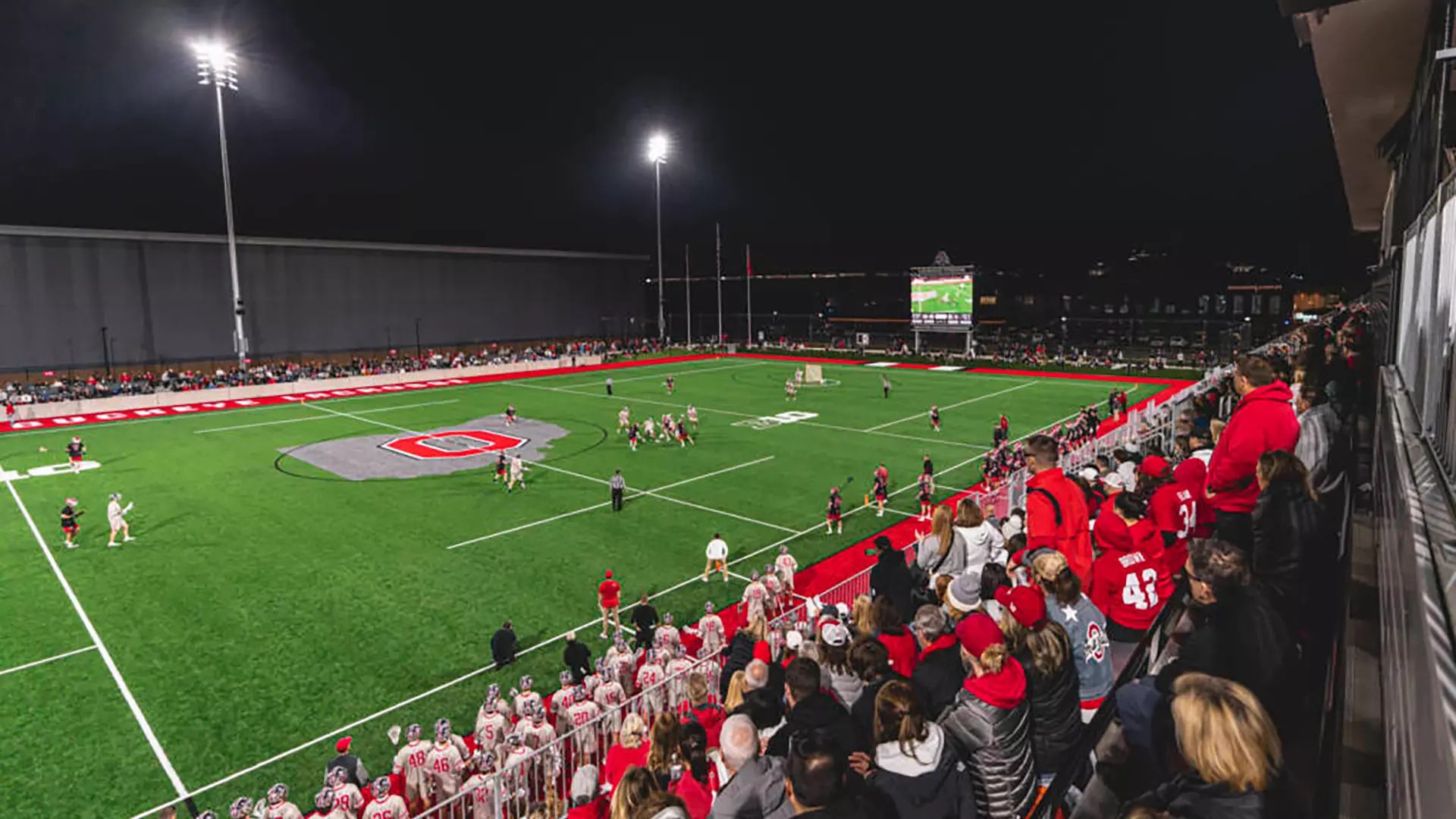
On paper, the promise is big. One weekend, dozens of college logos. Recruiters lining the fences or bleachers. For sports like baseball, softball, soccer, basketball, lacrosse, and volleyball, showcases and exposure tournaments are a huge part of how the recruiting ecosystem works.
• Many schools in one place. Instead of flying to ten different campuses, you may be seen by staff from ten different colleges in the same day.
• Great for building your options. If you are not sure which division or conference fits you best yet, broad exposure can help you discover new programs.
• Helpful for under the radar athletes. If you have not been heavily recruited yet, a strong performance in front of multiple staffs can jump start conversations.
• Efficient for club teams. Coaches can bring their whole roster to one event and give every player some level of exposure.
Showcases also come with tradeoffs.
• Less personal contact. Some coaches stay back behind the fence and mostly watch. You might never actually speak to them on site.
• Crowded fields. At large events, there can be hundreds of athletes in your position group. Getting meaningful touches, reps, or innings can be tough.
• Variable coach lists. Some events list every coach who was ever invited, not who will actually be there. You need to verify attendance when you can.
• Cost and travel creep. It is easy to say yes to one more showcase each month and suddenly your family calendar is booked all year.
The key is understanding that showcases are strongest when you combine them with direct outreach. If you email coaches in advance with your schedule and video, then perform well at the event, those staffs know exactly who they are watching and how to follow up.
If you are wondering how events fit into the bigger picture of outreach and communication, it might help to talk through your specific situation. Try asking Pathley: Which recruiting events are best if I am an under-the-radar athlete who still needs more exposure?
So when you are comparing college prospect camps vs showcases on your calendar, the honest answer is that there is no single best choice for everyone. It depends on your sport, your recruiting stage, and your current level of interest from coaches.
Different sports lean on events in different ways.
• In soccer, lacrosse, and similar field sports, large showcases and tournaments are huge evaluation tools. College staffs can watch multiple games in a day and track players they have already been emailing.
• In baseball and softball, prospect camps, showcases, and travel tournaments all matter. Pitchers and hitters often use showcases for measurable testing and video, then visit specific schools for prospect camps later in the process.
• In court sports like volleyball and basketball, big club tournaments and showcases draw many college staffs. Individual prospect camps can then help a staff see how you fit their system and culture.
• In sports with objective marks like track and field or swimming, times and results matter most. Camps and clinics can help with technique and coaching relationships, but your marks do most of the talking.
If you are unsure how your specific sport works, a good starting point is exploring Pathley's sport hubs in the Pathley sport directory. There you can see how recruiting tends to work in sports like soccer, baseball, volleyball, track and field, swimming, and more, along with example colleges and events paths.
Freshman and sophomore athletes usually need broad information and honest evaluation. Junior and senior athletes usually need targeted, school specific opportunities.
For younger athletes:
• A few well chosen showcases or multi school camps can help you see the level of play and get early feedback.
• Prospect camps at dream schools can be fun, but if the staff has never heard from you before, do not expect an offer out of nowhere.
For older athletes:
• Prospect camps at schools that are already emailing, calling, or DMing you can be very important. This is when staffs use camps to make final decisions.
• Showcases still matter, especially if you are a late bloomer or under recruited, but you need to communicate directly with coaches before and after you play.
In other words, early on, you might lean a bit more toward multi school events to learn and be seen. Later on, your calendar should tilt toward targeted prospect camps at schools that have already shown real interest.
Your family budget and school schedule are not side issues, they are core strategy.
• A single out of region showcase could cost as much as three local prospect camps once you add flights, hotels, and time off work.
• You do not need to say yes to every invitation that lands in your inbox. Most are mass emails sent to huge lists of athletes.
• It is better to attend fewer events where you have done real homework on the coaches attending, your fit, and your communication plan.
This is where a tool like Pathley is built to help. You can use the Pathley College Directory to build a list of schools that fit your academics, budget, and location, then prioritize events that actually connect you with those programs instead of randomly chasing logos.
If you want a second set of eyes on your plan, you can always ask Pathley a specific question like: How many prospect camps and showcases should I realistically attend each year for my sport?
Once you understand the big picture, the next step is judging individual events. Not every prospect camp or showcase is created equal.
For prospect camps, this is simpler. If it is State University Prospect Camp, you know the State University coaches will be there. Still, you can ask:
• Will the full staff be on the field, or mostly assistants and alumni?
• Is the head coach involved, or just stopping by at the end?
For showcases, you have to dig deeper.
• Look for a list of confirmed schools, not just invited schools.
• Reach out to the programs you care about and ask if they truly plan to attend.
• Remember that Division I, II, III, NAIA, and JUCO schools have different recruiting calendars and rules about when they can be off campus, as explained in more detail in NCAA recruiting resources for college bound athletes.
As the National Federation of State High School Associations points out in its guidance on college recruiting, most athletes find opportunities through a mix of proactive outreach, communication, and realistic targeting, not just passive exposure at events. You can read more perspective from the NFHS at NFHS.org.
Ask blunt questions before you register.
• How many athletes will be on each field, court, or lane?
• How much live game or scrimmage action will you get?
• Are there testing stations where coaches will record verified times, jumps, or velocities?
• Will there be any classroom or question and answer sessions with college coaches?
If an event cannot or will not answer basic questions about format, numbers, or coaching involvement, that is a red flag.
Some events lean heavily on hype: highlight videos, social media graphics, and promises of exposure. Others quietly deliver what matters: real evaluations, honest feedback, and chances to interact with decision makers.
Signs an event is likely to give you real recruiting value:
• College staffs are clearly listed and have been involved for multiple years.
• The event explains how information and evaluations will be shared with coaches afterward.
• You see current or former college players who attended the event and can speak specifically about how it helped them.
Signs you should think twice:
• The marketing is all about fame and clout, not development or realistic recruiting steps.
• The event pushes hard on 'limited spots' and 'invite only' language, but you keep receiving invitations week after week.
• No one can clearly explain how coaches will actually use the event to recruit.
When in doubt, slow down and evaluate. One thoughtful yes is better than three impulsive registrations.
While every athlete is unique, there are some general patterns in how families can think about camps and showcases by sport.
Soccer and lacrosse. Large showcases and tournaments are central. Use them to get in front of many schools at once, but always pair them with direct emails to coaches that include your schedule, video, and academic info. Then, as interest heats up, visit individual schools for ID camps or prospect days. For a deeper dive into the college lacrosse or soccer landscape, you can explore Pathley's dedicated sport hubs from the sport directory.
Baseball and softball. Metrics matter. Showcases that offer verified velocities, exit speeds, and timed runs can give you powerful data for your recruiting profile. Prospect camps at specific colleges then let coaches see how your tools play in real game situations. Many athletes build a calendar that mixes a few high quality showcases with targeted prospect camps at schools that are already in conversation with them.
Basketball and volleyball. Club seasons and big multi day tournaments are where many evaluations happen. Showcases can help, but much of your exposure may come from playing well all season in front of coaches. Prospect camps can still be valuable late in the process, especially when a staff wants to see you in their system alongside current players.
Track and field and swimming. Objective marks drive recruiting. For many athletes, championship meets and high level club competitions matter more than any camp or showcase. That said, technique camps and college run clinics can help you meet coaches, learn about training environments, and see how your personal bests line up with their roster. Pathley's sport hubs for track and field and swimming can help you compare your times to typical college levels and find programs where your marks fit.
Other sports. For sports like wrestling, tennis, golf, rowing, and more, the pattern is similar: strong results in recognized competitions plus proactive outreach are the foundation. Camps, clinics, and showcases should be chosen to support that foundation, not replace it.
If you want help turning these general ideas into a concrete event plan for your sport, position, and grad year, you can always ask Pathley a question like: Which combination of prospect camps and showcases makes the most sense for me this year based on my sport and grad year? and get a detailed answer tailored to you.
Traditional recruiting services tend to give the same advice to everyone: go to more camps, get in more showcases, sign up for their preferred events. That usually means more spending and more noise, not more clarity.
Pathley flips that script. Instead of pushing you toward generic events, Pathley starts with you, your sport, and your actual goals. Through an AI guided chat experience, you can share your position, grad year, academic profile, budget, and current recruiting status, then get suggestions that make sense for your situation.
Here is how athletes and families use Pathley around events:
• They build a realistic target school list using tools like the College Directory and sport hubs, instead of just chasing brand names.
• They sense check event invitations by asking the chat how that camp or showcase lines up with their target schools and timeline.
• They get help drafting emails to coaches before and after events, so those weekends are connected to a real communication plan.
• They track progress over time, adjusting their event choices as new interest appears or as academics, injuries, or performance change.
The result is a calm, focused event strategy instead of a never ending whirlwind of camps and showcases. You stay in control of your time, your budget, and your recruiting story.
If you want to experiment with this for yourself, you can start a conversation with Pathley by asking: How should I update my camps and showcases plan if my recruiting situation changes during the year?
When you zoom out, the difference between events is simple.
• Prospect camps are usually attached to specific colleges and are best for deep evaluation and relationship building with those staffs.
• Showcases and exposure tournaments bring many schools to one place and are best for broad evaluation and discovery.
Both can be useful. Neither replaces the hard work of communicating with coaches, keeping up your grades, and performing well in real games and competitions. The families who win in this process are not the ones who attend the most events. They are the ones who pick a handful of the right events and connect those weekends to a clear, realistic recruiting plan.
As you think about college prospect camps vs showcases this year, remember that you are allowed to slow down, ask questions, and be intentional. Your goal is not to collect camp T shirts. Your goal is to find a college home where you can grow as a student, an athlete, and a person.
Rosters, coaches, and division breakdowns for every NCAA and NAIA program we track.