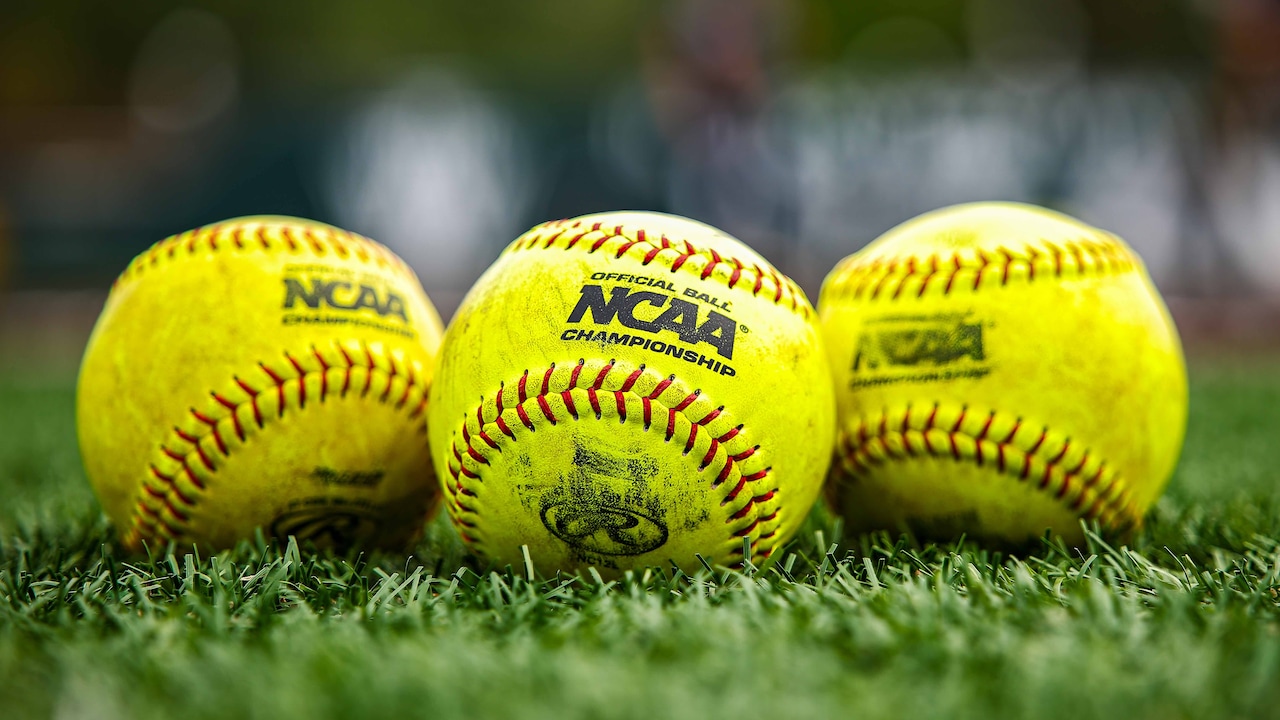
Behind All-American left-hander Maya Johnson, Belmont softball stunned previously undefeated No. 14 Mississippi State 1–0 at the Bulldog Invitational in Starkville. The complete-game one-hitter adds another major milestone to Belmont’s rapid rise following its 2025 MVC title and first NCAA tournament appearance.
Belmont Ace Maya Johnson One-Hits No. 14 Mississippi State in 13-Strikeout Road Upset
On February 20 in Starkville, a mid-major power made a major-statement road trip. Behind a dominant complete-game one-hitter from All-American left-hander Maya Johnson, Belmont University softball stunned previously unbeaten No. 14 Mississippi State 1–0 at the Bulldog Invitational, handing the Bulldogs their first loss of the 2026 season.
Mississippi State entered the day 11–0, riding its best start since 2008 and the highest NFCA coaches poll ranking in program history. Belmont walked out of Nusz Park with not only the upset but also a signature national result that reinforces the Bruins’ surge from Missouri Valley Conference upstart to legitimate Division I postseason threat.
How Belmont Softball Upset No. 14 Mississippi State
The matchup was framed as a clash of elite pitching staffs, and it lived up to the billing. Mississippi State’s own game notes highlighted that the Bulldogs led Division I in WHIP and total strikeouts and ranked second nationally in strikeouts per seven innings entering the weekend. On the other side, Belmont arrived in Starkville second nationally in team strikeouts, with Johnson leading the country in strikeouts per seven innings.
Mississippi State had also been an offensive juggernaut, homering in all but two games and scoring 82 runs across its first 11 contests. The Bulldogs had reached at least five runs in all but one outing, relying heavily on the long ball for nearly 40 percent of their production.
Against that backdrop, the game looked on paper like a classic mid-major vs SEC test: a rising Belmont University program built around one elite ace stepping into a hostile Southeastern Conference environment to see whether its 2025 breakthrough season was a one-year spike or the beginning of something sustainable.
Maya Johnson Sets the Tone in Starkville
From the opening inning, Johnson made it clear that Belmont would not be overwhelmed. The veteran left-hander mixed her heavy strikeout arsenal with precise command, keeping Mississippi State’s power bats off balance and preventing them from stringing together quality swings.
Over seven innings, Johnson allowed only one hit, did not issue a walk, and struck out 13 batters on 103 pitches. According to Belmont’s box score, she repeatedly faced the minimum in multiple frames and never allowed the Bulldogs to move a runner past second base. For a Mississippi State team that had been punishing mistakes with home runs all month, being held to a single hit and zero walks at home underscored just how thoroughly Johnson controlled the game.
In Mississippi State’s own recap of the Bulldog Invitational opener, the contest was described as a pitchers’ duel, with the Bulldogs limited to one hit by the nation’s leader in strikeouts per seven innings while striking out 13 times themselves. For a previously 11–0, top-20 SEC team, that kind of offensive shutdown is rare and, in recruiting terms, highly visible.
Mississippi State’s Staff Keeps It Close
Belmont’s upset required precision not only in the circle but also at the plate in a game where every baserunner mattered. Mississippi State starter Peja Goold, part of a Bulldogs staff featuring three pitchers among the national leaders in key metrics, was nearly as sharp.
Through five innings, Goold and the Mississippi State defense largely contained the Bruins. Belmont managed four hits and drew two walks but could not cash them in, and the game stayed scoreless deep into the afternoon. In that kind of razor-thin environment, history usually tilts toward the ranked SEC home favorite in front of its own crowd.
Instead, the defining sequence came from Belmont’s ability to pressure the defense and capitalize on a rare Bulldogs mistake.
The Sixth-Inning Sequence That Changed Everything
In the top of the sixth, the Bruins finally cracked the door open. Rylee Spindler led off with a walk, providing the kind of leadoff traffic that had eluded Belmont earlier. Head coach Laura Matthews immediately turned to speed, inserting pinch runner Addison Swink to maximize the chance of manufacturing a run.
When Belmont’s Lizzie Ozim hit a ground ball back toward the circle, Mississippi State appeared to have a chance to erase the lead runner with routine execution. Instead, an errant throw on the fielder’s choice skipped into center field, and Swink advanced safely to second.
First baseman Madison Dolecki followed with an infield single toward second base. Swink never hesitated, racing home from second with the game’s only run. The play at the plate was reviewed and ultimately upheld, and because the sequence began with a defensive miscue, the run went down as unearned against Goold.
On the stat sheet, it was a single unearned run. In context, it was a turning point that flipped the pressure fully onto Mississippi State and gave Johnson a margin she did not surrender.
Closing Out a Top-20 SEC Road Win
Armed with a 1–0 lead, Johnson finished the job in clinical fashion. She continued to command the strike zone, attacking hitters and avoiding deep counts. Mississippi State never found the swing that might flip the script, and the Bruins finished off one of the biggest early-season upsets of the 2026 college softball schedule.
For a Mississippi State lineup that had relied heavily on home runs to fuel its undefeated start, being one-hit at home by a mid-major opponent was a jarring reminder of how dominant an elite ace can be in a one-game setting. For Belmont, it was validation that the program’s recent rise is not a fluke.
Belmont’s Rapid Rise: From MVC Breakthrough to National Upset
This 1–0 win in Starkville did not come out of nowhere. It is the latest checkpoint in a rapid ascension for Belmont softball over the past two seasons, driven in large part by Johnson’s growth into one of Division I’s premier pitchers and the Bruins’ collective step forward as a roster.
2025: MVC Title and First NCAA Tournament Bid
In 2025, Belmont delivered a breakthrough campaign that reset expectations around the program. The Bruins finished 40–14, captured their first Missouri Valley Conference tournament title and secured the program’s first NCAA tournament appearance, earning a berth to face Virginia Tech in the Tuscaloosa Regional. The MVC chronicled that postseason run as a milestone for the school and the league (Missouri Valley Conference).
That 2025 season also launched Johnson fully onto the national stage. She led all of Division I in several major pitching categories, including:
- Total strikeouts
- Strikeouts per seven innings
- Strikeout-to-walk ratio
- WHIP
- Walks allowed per seven innings
- Shutouts
Johnson finished 24–6 with a 1.52 ERA, collecting MVC Pitcher of the Year honors, MVC Tournament Most Valuable Player, and becoming the first Belmont student-athlete of the Division I era to earn NFCA First Team All-America recognition (MVC / NFCA announcement). That kind of résumé puts a program on the radar of both recruits and national media.
2026: Preseason MVC Favorite and a Statement Win
Coming off that success, league coaches voted Belmont the preseason favorite to win the 2026 MVC title, with Johnson again landing on the preseason All-MVC team (Missouri Valley Conference). The question entering February was not whether the Bruins were good, but whether they could translate conference dominance into repeated national relevance.
The Bulldog Invitational provided an early, emphatic answer. In their first game in Starkville, Belmont routed Delaware State 14–1 in a five-inning run-rule. Pitcher Mackenzie Willis struck out 10, while the offense produced 15 hits and 14 runs. That kind of run-rule win against a non-conference opponent is impressive on its own.
Hours later, the Bruins turned around and outdueled an 11–0, No. 14 Mississippi State team in a tight, low-scoring game. The combination of a run-rule blowout and a 1–0 upset on the same day showcased the depth and versatility of Belmont’s 2026 roster: they can overwhelm teams with offense or win a pitchers’ duel behind Johnson.
Belmont’s athletic department noted that the Mississippi State win marked just the third victory over an SEC opponent in program history and only the second ever over the Bulldogs, with the previous win coming back in 2013. For a Missouri Valley program still relatively new to Division I postseason success, taking down a top-20 SEC team on the road is a significant data point in its upward trajectory.
Why This Upset Matters in the National Softball Picture
In the national landscape, early-season upsets always draw attention, but not all upsets are created equal. This one checks several boxes that matter to both selection committees and recruits:
- Quality of opponent: Mississippi State was 11–0, ranked No. 14 in the NFCA coaches poll, and enjoying the highest ranking in program history.
- Context of performance: The Bulldogs had been one of just eight remaining undefeated teams nationally and were scoring in bunches, especially via home runs.
- Location: The upset came on the road, in a true hostile SEC environment at Nusz Park.
- Manner of victory: A one-hitter with 13 strikeouts against an elite offense is more than a random hot day; it aligns with Johnson’s established statistical dominance.
As the 2026 season unfolds, performance like this will factor into NCAA tournament seeding conversations and at-large resume comparisons. The NCAA has highlighted how early-season results, including top-25 upsets and standout pitching efforts, can shape the narrative heading into conference play (NCAA.com).
For Belmont, the win over Mississippi State adds a second top-25 SEC victory to its 2026 résumé, strengthening the case that last year’s NCAA bid was not a one-off. For recruits tracking which mid-major programs are breaking into the national conversation, that matters.
What Recruits and Families Can Learn from Belmont’s Model
For high school softball players, parents, and club coaches, a result like Belmont’s 1–0 win over Mississippi State is more than a headline. It is a practical example of how a non-Power Five program can build into a national threat through strategic recruiting, player development, and targeted scheduling.
The Power of an Elite Ace at a Mid-Major
Johnson’s story shows that you do not have to be at a traditional powerhouse to lead Division I in major statistical categories or to earn NFCA First Team All-America honors. At Belmont, she has:
- Faced high-end competition, including SEC opponents and NCAA tournament-caliber teams
- Anchored a program to its first conference title and NCAA appearance
- Used those stages to showcase her ability against top-25 lineups
For recruits, it is a reminder to look beyond the biggest conference logos. A strong fit at a rising program like Belmont can offer:
- Immediate impact opportunities
- Conference titles and NCAA postseason play
- National exposure when the team schedules up against ranked opponents
If you are exploring schools like Belmont, a tool such as the Pathley College Fit Snapshot can help you quickly gauge your academic, athletic, and campus match for specific programs and see where you might realistically contribute.
Scheduling for Visibility
Belmont’s trip to the Bulldog Invitational is also a good example of how mid-major programs enhance their profiles: by taking neutral-site or true road opportunities against ranked SEC, ACC, or Big 12 teams, they create chances for season-changing wins.
From a recruiting perspective, athletes should pay attention to:
- How often a program plays top-25 or Power Five opponents early in the year
- Whether those games are part of a consistent scheduling philosophy, not one-off events
- How the program’s social media and athletic department promote those matchups and performances
Using tools like the Pathley College Directory and the sport-specific Softball Pathley Hub, you can scan a wide range of programs, see where they play, and build a shortlist of schools that match both your goals and level.
Related Nashville Programs to Know
Belmont’s success is unfolding in a vibrant college sports city. For recruits considering Nashville or the broader region, a few nearby programs are worth exploring alongside the Bruins:
- Lipscomb University – Another Nashville-based Division I athletic department with a growing profile across multiple sports and an urban campus environment.
- Tennessee State University – A historically Black university in Nashville with a strong tradition in athletics and a unique campus culture.
- Vanderbilt University – An SEC institution in Nashville, known nationally for both academics and athletics, offering a different type of high-major experience in the same city.
Comparing options across these schools can help you understand how campus setting, conference level, academic profile, and playing style differ even within a single city. The Pathley Compare Two Colleges tool makes that side-by-side evaluation much easier.
What This Win Means for Belmont Going Forward
As the Missouri Valley Conference race heats up, Belmont’s resume now includes:
- A recent conference tournament title and NCAA appearance (2025)
- Preseason favorite status in the MVC for 2026
- Multiple top-25 SEC victories early in 2026, including the 1–0 road win at Mississippi State
If the Bruins continue to stack MVC wins and avoid major stumbles, this result in Starkville could become a pivotal line item for seeding conversations and an at-large safety net should they miss out on the automatic bid. For Johnson, it is another marquee performance that showcases why she has already been recognized at the national level.
And for prospective student-athletes watching from afar, Belmont’s success story is a real-time case study in how the right combination of talent, development, and opportunity can turn a mid-major program into one that can walk into an 11–0, top-15 SEC park and walk out with a 1–0 win.
Using Pathley to Explore Programs Like Belmont
If this upset has you thinking differently about where you might fit in college softball, you do not have to sort through every program on your own. Pathley is built to help athletes, parents, and coaches navigate this exact landscape.
Belmont’s 1–0 upset of Mississippi State is one of the early defining results of the 2026 season and a reminder that the right program fit might be hiding just outside the traditional power conference spotlight. With smart tools and clear information, you can find the version of Belmont that matches your own goals and path.