Insight
Women's Sports Scholarships Guide: Money, Myths, Real Strategy
Learn how women's sports scholarships really work across NCAA, NAIA, and JUCO levels. Understand money, odds, and smart recruiting steps for female athletes.

Ask almost any girl who dreams of playing in college what she wants, and you will hear the same phrase on repeat: a "full ride." The problem is that most families never get a clear, honest breakdown of how women's sports scholarships actually work, how many exist, and what it really takes to earn one.
The result is confusion and frustration. Some athletes underestimate themselves and never chase opportunities they could have earned. Others assume big money is guaranteed just because they start on varsity or play club, then get blindsided when the offers do not match their expectations.
If you are an athlete, parent, or coach trying to make sense of the scholarship landscape for women, you need more than hype. You need math, rules, and strategy that actually line up with how college coaches work today.
How do women's sports scholarships work at different college levels?
This guide will walk you through the real picture for women's sports scholarships across NCAA, NAIA, and JUCO programs, then show you how a modern tool like Pathley can help you build a scholarship strategy that fits your sport, your level, and your family budget.
First, a quick reset. Athletic scholarships are not magic golden tickets handed out nationally. They are specific chunks of money allocated by each college to individual teams, then divided by coaches across their roster however rules allow.
According to the NCAA's own scholarship information, athletic aid is awarded one year at a time, can be renewed or changed annually, and is governed by strict limits on how many scholarships each team is allowed to offer. Women's sports scholarships live inside that same structure.
There are a few key ideas you need to understand before anything else:
• Athletic scholarships are offered by colleges, not by the NCAA or NAIA directly.
• Money is controlled sport by sport and school by school, so two programs in the same division can look completely different.
• Many women's sports are "equivalency" sports, which means coaches can slice scholarships into partial awards to cover more athletes.
• A small group of women's sports, like top level basketball and volleyball, are "headcount" sports, where any athletic money usually means a full scholarship.
• Most athletes who compete in college get a mix of athletic aid, academic merit, and need based financial aid, not just a single athletic package.
Once you internalize those points, women's sports scholarships start to feel less mysterious and more like a puzzle you can actually solve.
Opportunities look different across NCAA divisions, NAIA programs, and junior colleges, but they all plug into the same big picture: a coach has a limited amount of scholarship money and has to decide how to invest it in the roster.
Division I gets most of the attention on TV, but it is also where competition for women's sports scholarships is fiercest. Many women's teams at this level are fully funded, but not all. School budgets and conference priorities matter a lot.
Some major women's sports at Division I level include:
• Women's basketball and women's volleyball are typically headcount sports. If a coach offers athletic aid, it often has to be a full scholarship for that athlete.
• Sports like soccer, softball, track and field, cross country, lacrosse, and others are usually equivalency sports. A coach might have, for example, 14 scholarships to spread across a roster of 26 or more in soccer, or 12 for almost 20 players in softball.
In these equivalency sports, it is common for one or two stars to receive close to a full athletic scholarship while many other players receive smaller percentages that get combined with academic or need based aid.
Division II offers a lot more flexibility. Almost every women's sport at this level is an equivalency sport. That means the coach can split scholarships into quarter, half, or three quarter awards depending on role and budget.
The upside: there is more room for creative deal making, especially if you are strong academically. A coach might stretch their money further by giving you a smaller athletic award because the admissions office can stack strong merit aid on top.
Division III does not offer athletic scholarships by rule. That does not mean there is no money. It simply means the money is coming from different buckets, like academic merit awards or institutional grants based on financial need.
For a lot of female athletes, a Division III option can end up being just as affordable as a small athletic package elsewhere. You just have to be willing to look beyond the word "scholarship" and focus on total cost.
NAIA schools often have smaller rosters and a slightly more flexible recruiting environment. Many women's teams at NAIA schools are allowed a comparable or slightly lower number of scholarships than similar NCAA sports, and those are almost always equivalency awards that can be split.
The NAIA's information on scholarships and financial aid highlights that schools can combine athletic awards with academic and other institutional aid. For a lot of athletes who are under-recruited at the NCAA level, NAIA can represent a real scholarship opportunity and a strong fit.
Junior colleges, especially those in the NJCAA, can be a powerful route for women who need more time to develop or improve academics. Some JUCO programs offer significant athletic scholarships in women's sports, and many also help athletes transfer to four year schools with better offers after a season or two.
If your grades, test scores, or exposure are not where you want them yet, a JUCO stop can be a smart scholarship strategy, not a failure.
This is where expectations often go off the rails.
Across all sports, the NCAA reports that only a fraction of high school athletes ever receive any athletic aid, and those who do usually land partial scholarships, not full rides. The average athletic award is often just one piece of a larger financial aid puzzle.
Here is the reality for most women's sports scholarships:
• A few program changing players per recruiting class might receive offers close to a full athletic scholarship.
• Many starters, key role players, and high potential underclassmen fall into the 15 to 60 percent athletic aid range.
• Walk ons and developing players may initially receive little or no athletic money, then earn more as they prove value and roster spots open.
On top of that, you will typically see academic merit awards tied to GPA and test scores, plus need based aid determined after the FAFSA and school specific financial aid forms. The smartest families are not just chasing women's sports scholarships. They are chasing the best total package.
What scholarships are realistic for a women's soccer recruit with my GPA and stats?
Every team and school is unique, but some general patterns can help you set realistic expectations for women's sports scholarships in different sports.
At the highest college level, women's basketball is usually a headcount sport. That means a limited number of full athletic scholarships, and if you are on athletic aid, you are typically on a full scholarship.
This sounds incredible, but it also means roster spots are extremely competitive. Coaches cannot stretch money across as many players. If you want that level, you need to honestly ask whether your size, athleticism, and production match what you see in televised games and national level club events.
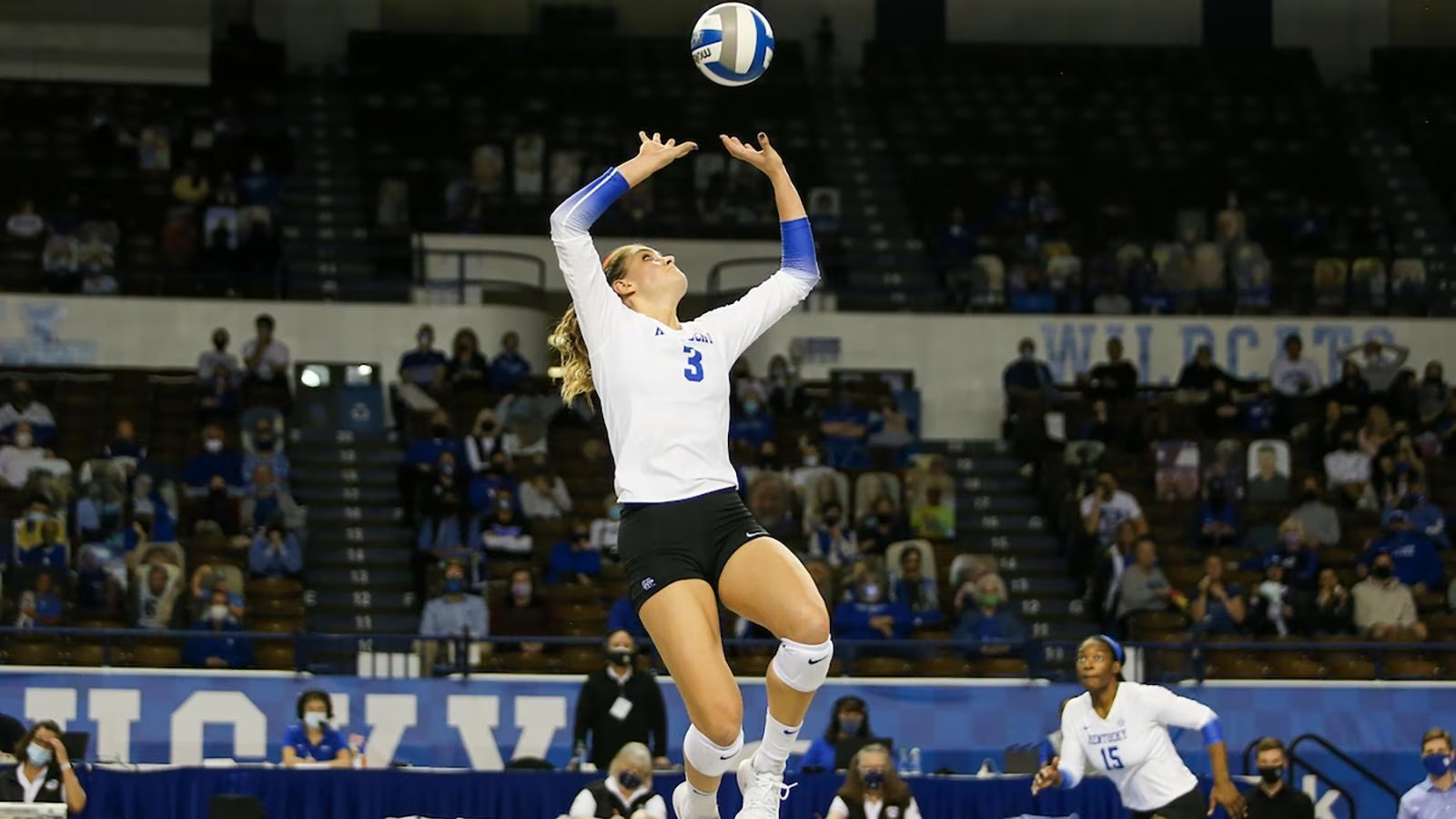
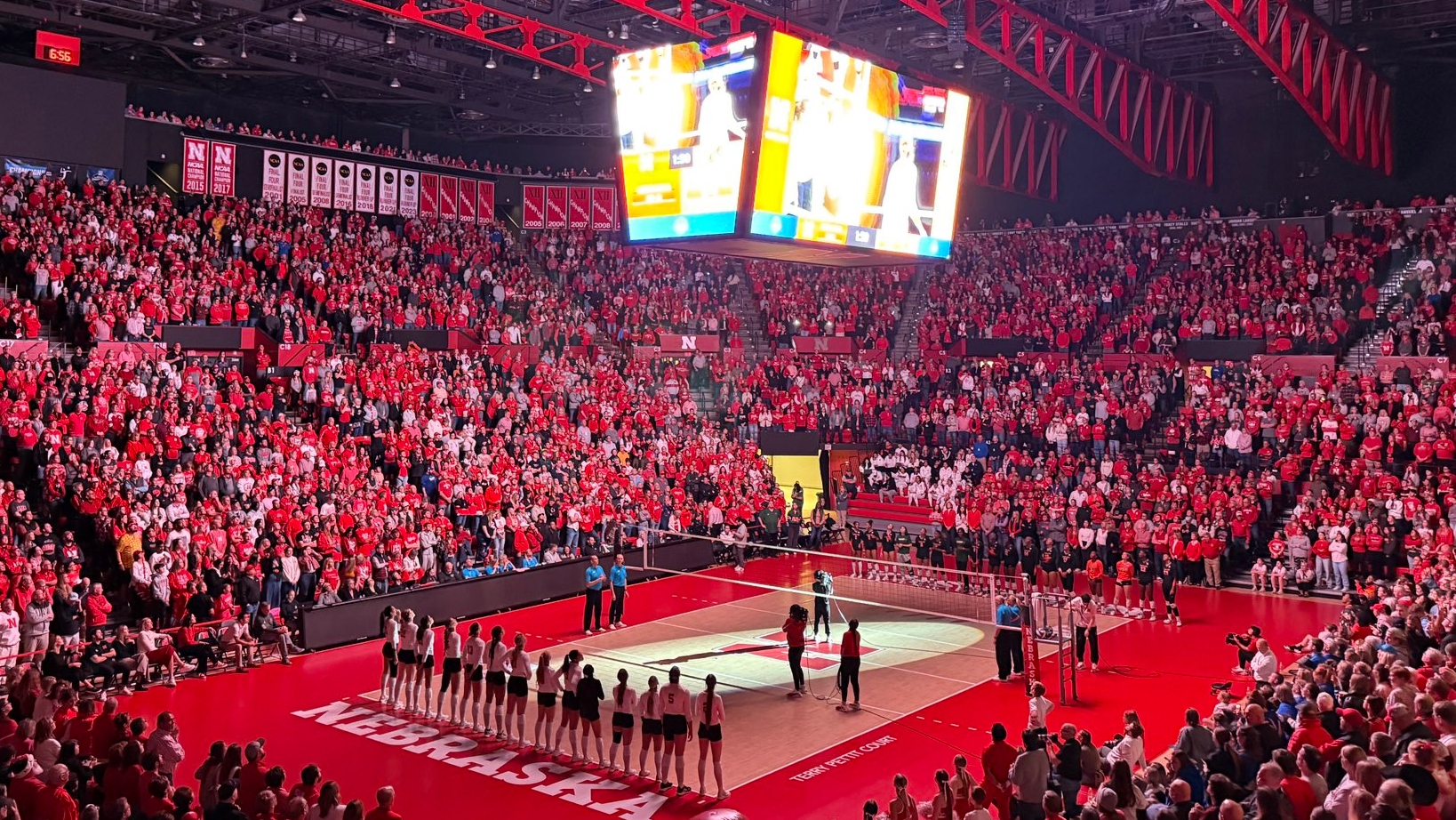
Top level women's volleyball has a similar headcount structure. A limited number of full scholarships are available, usually focused at the Division I level. Outside of that, or at lower funded programs, it becomes more common to see partial offers and more creative packages.
For many female volleyball players, Division II, NAIA, and strong Division III programs can deliver a better balance of playing time, academic fit, and financial aid, even if the athletic money is technically smaller.
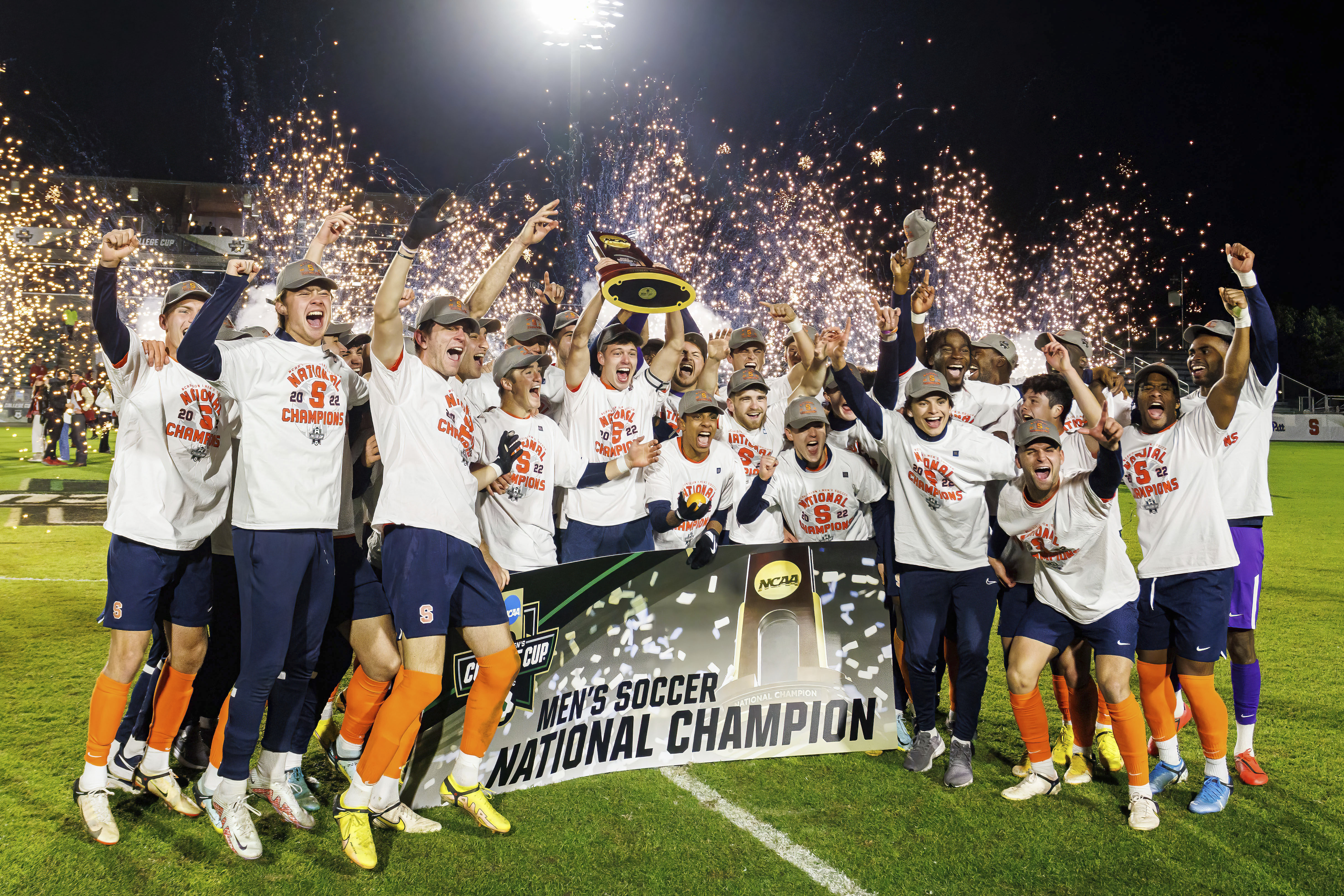
Women's soccer is a classic equivalency sport. A Division I coach might have 14 scholarships for a roster of 26 to 30 players. Very few players are on true full athletics-only aid. Instead, coaches use larger awards for impact starters and smaller awards plus admissions support for depth, late bloomers, and specialists.
If you are a high academic recruit in soccer, you can become very attractive financially. Coaches can lean on admissions to deliver strong academic money, then stretch limited athletic dollars to get you on campus.
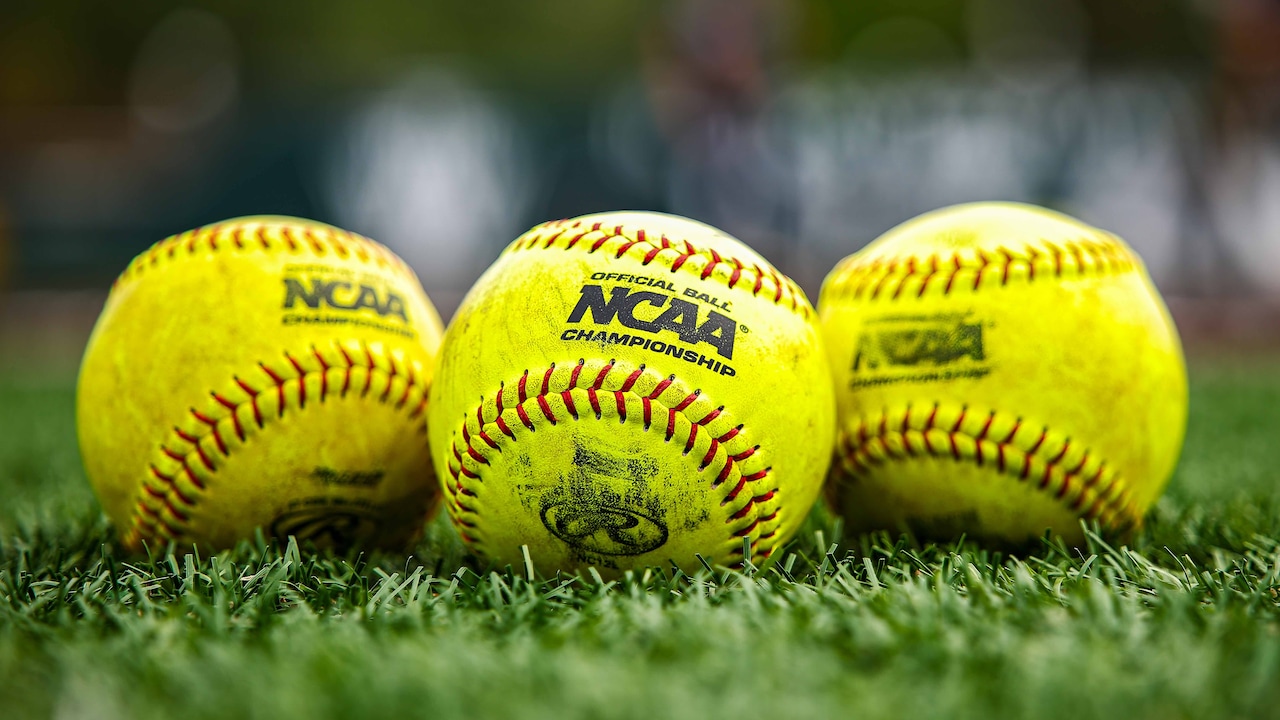
Softball is also an equivalency sport, and roster sizes can be large. It is common to see partial offers distributed across almost the entire roster, with a few bigger packages going to key pitchers and power hitters.
Pitchers in particular can command a higher share of a program's women's sports scholarships because one elite arm can change a season.
Women's track and field and cross country often share one scholarship pool across multiple event groups. That pool is usually equivalency based and has to be stretched across sprinters, distance runners, jumpers, and throwers.
Result: it is very normal to see smaller fractional awards, especially early on. The good news is that coaches often have more flexibility to reward improvement and increase aid year to year if you score points at championships.
Sports such as tennis, golf, lacrosse, field hockey, rowing, and gymnastics all have their own scholarship limits and structures. Some are headcount at the top level, others are equivalency everywhere.
What matters for you is not memorizing every number. It is understanding how your sport tends to allocate women's sports scholarships, then honestly assessing where your current ability and upside fit.
What do college coaches in my sport care about most when deciding who to offer scholarships to?
Coaches are not handing out women's sports scholarships just to fill a roster. They are trying to invest limited money in athletes who can help them win and stay eligible.
In conversations with college coaches and from resources like the National Federation of State High School Associations recruiting guide, four themes come up again and again.
• Athletic ability at the college level. Not just being good locally, but projecting as someone who can compete in that specific conference.
• Academic reliability. Coaches want players who clear eligibility easily and stay eligible, which protects roster stability and team GPA.
• Character and competitiveness. Effort, coachability, and how you respond to adversity matter, because those traits show up every day in practice.
• Recruiting readiness. Strong highlight video, honest measurables, clear communication, and understanding of where you truly fit.
If you can line up those four, you become a much safer bet in the eyes of a coach deciding where to invest women's sports scholarships.
Athletic aid is only part of the picture. For many women, the bigger opportunity is in stacking multiple types of financial support thoughtfully.
Academic scholarships often reward GPA and test scores. Merit awards might cover leadership, community involvement, or specific majors. Need based aid is driven by your family's financial picture after filing the FAFSA and each school's institutional forms.
This is why your grades, course rigor, and testing strategy matter directly to your sports future. The stronger your academic profile, the more flexibility a coach has to bring you in with a combination of academic and athletic money.
When you think this way, the goal stops being "win the biggest women's sports scholarship" and becomes "build the best total package at a school where I can thrive." That mindset shift is huge.
Early in high school, your job is to raise your ceiling. That means skill development in your sport and strong habits in the classroom. Coaches will care a lot more about your grades, strength, speed, and skill progression by junior year than about whether you played in one specific event as a freshman.
This is also the time to start learning how the recruiting process works in your sport, what a realistic college level might be for you, and what typical women's sports scholarships look like in that world.
For many female athletes, junior year is where scholarship conversations get real. Your physical development, academic record, and competition results are far enough along that coaches can project you more accurately.
By this point you should have:
• A clear set of target schools that match your academic interests, playing level, and financial reality.
• A current highlight video that actually shows college level skills and athleticism.
• A basic athletic resume and a plan for contacting coaches consistently.
Tools like Pathley can simplify this dramatically. Instead of trying to guess which programs fit, you can use the platform to explore options through the Pathley College Directory, see where your academics and athletic profile are competitive, and build a more focused target list.
Senior year is about clarity and follow through. Some women's sports scholarships will already be committed, especially at top Division I programs, but there are always late opportunities due to coaching changes, transfers, injuries, and roster needs.
Your job is to keep improving, stay in shape, maintain grades, and keep lines of communication with coaches open. Be honest about your financial reality and ask smart, specific questions about scholarship possibilities and timelines.
Even after high school, options like postgraduate prep years or junior college can keep your dream alive and eventually lead to strong offers if you use the time wisely.
Most traditional recruiting services feel like static profiles and generic advice. Women's sports scholarships are way too complex for that. You need guidance that adjusts as your grades, performance, and goals evolve.
Pathley is built exactly for that kind of dynamic reality. Inside the platform, you can:
• Chat with an AI recruiting assistant that understands your sport, level, and goals, and get instant, personalized answers instead of waiting on a human advisor.
• Explore schools quickly using the Pathley College Directory, then refine your list as you learn more about academic programs, cost, and fit.
• Use rankings from the Pathley Rankings Directory as a starting point to discover academic, affordable, and accessible options where you could actually play.
• Understand where you stand for women's sports scholarships at different levels, so you are not blindly chasing unrealistic options.
Instead of guesswork, every step becomes a data informed decision. That is exactly what families need in a landscape that changes fast and does not always feel transparent.
If you remember nothing else from this guide, let it be this: women's sports scholarships are real and life changing, but they are limited, complex, and heavily influenced by academics and smart strategy.
You do not have to figure this out by yourself. You just need a clear plan, honest evaluation, and a toolset built for modern recruiting.
Pathley exists to bring clarity, structure, and confidence to that process.
Rosters, coaches, and division breakdowns for every NCAA and NAIA program we track.