Insight
Texting College Coaches Etiquette: Complete 2026 Guide
Unsure how to text college coaches without sounding awkward or annoying? Learn rules, timing, examples, and strategy in this complete 2026 etiquette guide.
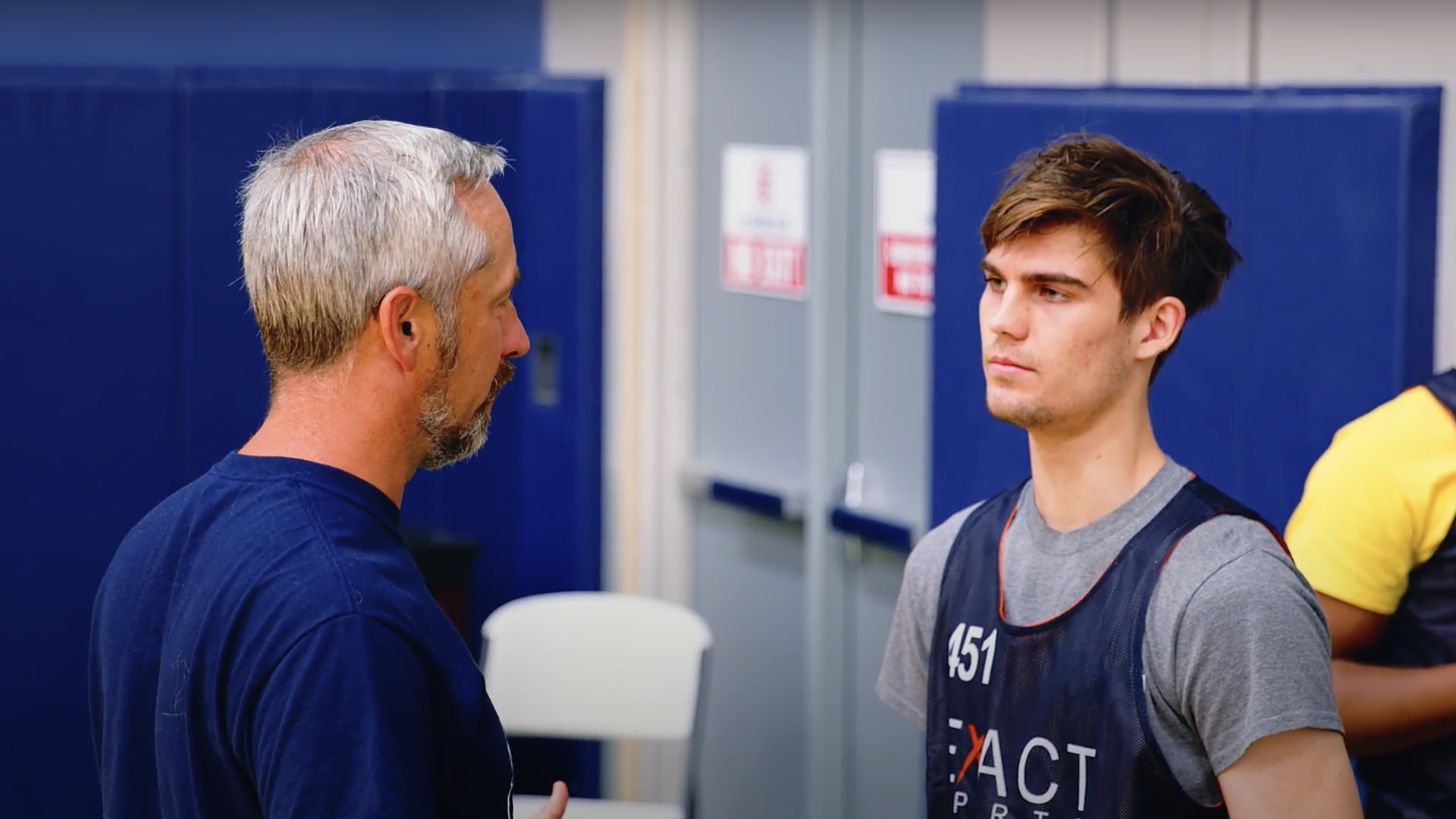
For your friends, texting is simple. You type fast, you use slang, you send emojis, and no one overthinks it. With college coaches, it feels totally different. One text can affect how serious they think you are as a recruit.
That is why understanding texting college coaches etiquette is a real edge in recruiting. It is not about being perfect, it is about sounding like someone who is organized, respectful, and ready for college athletics.
In this guide, we will break down when you are allowed to text, how texting fits with NCAA rules, what to say, how often to follow up, and the mistakes that quietly hurt your chances. You will also see real example texts you can adapt for your own situation.
If you want live help while you read, you can always ask Pathley your own questions. For example, you might wonder: How does texting fit into the overall college recruiting process?
Texting is personal. When a coach gives you their cell number, it means you are on their radar and they are investing time in you. That is good, but it also raises the stakes.
Most athletes worry about the same things:
• Am I allowed to text first, or should I wait for the coach?
• How formal or casual should I sound?
• How fast do I need to respond?
• How often can I text without being annoying?
The good news is that once you understand a few core rules, texting college coaches becomes way less stressful. You will know what is normal, what is too much, and what actually impresses coaches.
Short answer: yes, texting can be a great way to communicate with college coaches. But there are two big layers you need to respect.
• The formal rules from the NCAA or NAIA about when recruiting messages are allowed.
• The informal rules of texting etiquette that shape how coaches see you.
From a rules standpoint, a text is just another form of recruiting communication, similar to an email or direct message. For most Division I and Division II sports, coaches cannot send you recruiting texts until specific dates in high school, often June 15 after your sophomore year or September 1 of your junior year, depending on the sport.
The details change by division and by sport, and they do change over time. To understand the latest rules for your situation, always go back to the source. The NCAA publishes official recruiting rules and calendars, and you can explore sport specific recruiting information and calendars through their resources. If you are looking at NAIA schools, the NAIA has its own eligibility and recruiting information that you should review.
This article is not legal advice and it cannot replace official rules. Think of it as strategy that sits on top of the rulebook. Your job is to check the latest NCAA or NAIA information, then use smart texting college coaches etiquette inside those boundaries.
It helps to think of each channel as a different level of formality and urgency.
• Email is your professional home base. Great for longer messages, sending your athletic resume, schedules, and film links.
• Social media DMs (like Instagram or Twitter / X) are often how coaches first notice you, but recruiting conversations usually move to email or text as things get serious.
• Text is personal and fast. Coaches tend to use it when they already have real interest in you, to coordinate visits, quick updates, and follow ups.
Because text is so direct, it is usually better for a coach to invite you into that channel. That might look like them texting you first, or emailing you and saying, “Here is my cell, feel free to text me.”
If you are not sure how to open that door, a natural question to bring into Pathley is: What should my first text to a college coach actually say?
Knowing when to text is just as important as knowing what to text. Bad timing can make you look pushy or uninformed. Good timing makes you look mature and respectful of a coach’s job.
In many sports and divisions, there is a period where coaches are not allowed to send you recruiting messages, even if they like your game. During that time you should not be trying to force texting into the mix.
Here is how to handle that stage:
• Focus on email first. Use email to introduce yourself, share film, and send your schedule.
• If you happen to have a coach’s number from a camp or clinic, do not send recruiting texts before the rules allow it. Keep things simple and informational, or better yet, ask questions by email instead.
• If a coach responds to your email and invites you to call them after a certain date, respect that timeline. You do not win points by pushing earlier.
Once your sport’s contact date hits and a coach starts reaching out directly, texting can become one of your main communication tools.
Once coaches are allowed to initiate contact and start texting you, that is a strong sign of interest. At this point, texting college coaches etiquette is about managing the relationship well.
Smart uses of text once contact is open include:
• Confirming phone calls or campus visits.
• Sharing quick schedule reminders before games, meets, or tournaments they might attend.
• Sending short updates about big performances, new film, or academic milestones.
• Asking short, clear questions that do not require long explanations.
If contact is allowed and you have already been talking by phone or email, you can usually text first without it being weird. Just make sure your first text is clear about who you are and why you are reaching out.
Now to the part everyone actually cares about: what good texting looks like. These core rules will help you show coaches that you are the kind of person they want in their locker room and on their campus.
Even though texting feels casual, you are still talking to an adult who has your future scholarship or roster spot in their hands. Your tone should be friendly, not buddy buddy.
That means:
• Start with a greeting: “Hi Coach Smith,” not just “hey.”
• Use the coach’s title and last name unless they clearly tell you otherwise.
• Use full words and basic punctuation. You do not need a perfect essay, but avoid heavy slang and abbreviations like “u,” “lol,” or “idk.”
• Keep profanity and edgy jokes out of every conversation. If a coach screenshotted your texts and showed them to the whole staff, you should not be embarrassed.
Here is a quick example:
Bad: hey coach u guys still got spots for 26s??
Better: Hi Coach Lee, this is Jordan Smith, 2026 outside hitter from Austin, Texas. I enjoyed our call last week and I am excited to visit campus on April 6. Just confirming that 10:30 a.m. still works for you.
Coaches are busy. They are running practices, watching film, traveling, teaching classes, and communicating with their current team and recruits all at once. Long walls of text are hard for them to process.
Strong texting college coaches etiquette starts with one simple rule: every text should have a clear purpose.
Ask yourself before you hit send:
• Am I confirming something, updating them, or asking a specific question?
• Can this be said in 1 to 3 short sentences?
• Would this be better as an email because it needs more detail or links?
If your message turns into a mini essay, move it to email and send a short text like, “Hi Coach, I just sent an email with my updated schedule for February. Let me know if you have any questions.”
When you text matters just as much as what you say.
Good general guidelines:
• Aim for daytime and early evening in the coach’s time zone, roughly 9 a.m. to 9 p.m.
• Avoid texting during obvious busy times like game days or right before a competition unless the coach has asked you to.
• Remember that college coaches work weekends, but that does not mean they want constant late night texts on Saturdays and Sundays.
If you are trying to plan your messages around a coach’s schedule and you are not sure what is normal, you might ask: What time of day is best to text a college coach in my sport?
One of the hardest parts of texting college coaches is emotional, not technical. You see that a message was delivered or read, but you do not get a quick response. That can mess with your head.
Important realities:
• Coaches are not ignoring you just because they did not answer in 5 minutes.
• They read texts in the middle of practice, on the bus, in meetings, and then plan to respond later.
• Their lack of reply could be about their recruiting needs, not your worth as a player or person.
As a general rule, if a coach does not respond to a reasonable question or update, it is fine to follow up after 3 to 7 days with one short message, like:
“Hi Coach Rivera, just following up on the schedule I sent last week to see if you will be at the March 10 tournament in Dallas. Thanks again for your time.”
If there is still no response after that, it usually makes more sense to shift your energy to other schools than to keep pushing. Respectful persistence is good. Repeated double texting every day is not.
If you are unsure how often you should follow up with a specific coach, you can ask Pathley directly: How often should I text a college coach without being annoying?
Parents care deeply and want to help, but coaches want to see athletes own their side of communication. That definitely includes texting.
Good boundaries for parents:
• Let your athlete send and receive texts directly with coaches.
• Help them plan what to say, but avoid sending messages from your own phone unless a coach directly asks you a logistical question.
• If you are on a group text with a coach and your child, let your athlete answer first whenever possible.
Many coaches and high school administrators, including organizations like the NFHS, emphasize the importance of student athletes learning to advocate for themselves. Texting coaches respectfully is part of that growth.
Knowing the rules of texting college coaches etiquette is one thing. Actually writing the message is another. Here are some common situations and sample texts you can adapt to your sport and level.
If a coach emails you and includes their cell number, or they tell you on a call to text them, use your first text to clearly identify yourself and connect to that prior conversation.
Example:
“Hi Coach Thompson, this is Maya Harris, 2027 midfielder from Charlotte, North Carolina. Thank you again for taking the time to talk on the phone today. I enjoyed learning more about your program and I am excited to stay in touch here.”
Text is perfect for quick confirmations so nothing falls through the cracks.
Before a phone call:
“Hi Coach, this is Alex Brown. Just confirming that our call at 7:30 p.m. Eastern still works for you tonight. Looking forward to it.”
Before a campus visit:
“Hi Coach Chen, this is Lauren, 2026 libero. My parents and I land in Chicago at 9:15 a.m. on Friday and plan to be on campus around 11. Does that timing still work for the tour and meeting with you?”
Short performance updates show that you are serious about development without overwhelming a coach’s phone.
Game or tournament example:
“Hi Coach Martinez, this is Diego, 2025 forward. We just finished the Surf Cup in San Diego. I scored twice and had one assist in our five games. I will send you a short highlight clip by email later this week. Thank you again for your interest.”
Track or cross country example:
“Hi Coach Davis, this is Aliyah, 2026 sprinter. I wanted to share that I ran 12.18 in the 100m and 24.90 in the 200m at our regional meet today, both personal bests. I will email the official results when they are posted.”
Following up shows maturity and gratitude, and it keeps you on a coach’s radar.
After a camp:
“Hi Coach, this is Jordan, 2027 setter from Denver. Thank you for hosting the camp this weekend. I learned a lot from the setting sessions, especially the feedback on my footwork and tempo with the middles. I am very interested in your program and would love to know what you think my best next steps are.”
After an unofficial or official visit:
“Hi Coach Allen, this is Marcus, 2025 defensive back. Thank you again for having my family and me on campus yesterday. I really enjoyed meeting the team and seeing how competitive the practice was. Your program is high on my list and I appreciate the time you spent with us.”
If you want a second set of eyes on a follow up message before you send it, you can paste it into Pathley and ask something like, Can you help me rewrite this text to a college coach so it sounds more professional?
Most athletes are not rude or wildly unprofessional. The bigger issue is small texting habits that slowly damage how coaches see you. Here are pitfalls to avoid.
• Treating coaches like friends. Too many memes, inside jokes, or casual complaints can make you look immature.
• Texting just to stay on their radar without any real purpose. Coaches can feel when a message is forced.
• Sending emotional texts right after a bad game or bad day. Vent to a teammate or parent, not a college coach.
• Letting parents take over your texts. Coaches want to know how you communicate, not just your mom or dad.
• Ignoring spelling and clarity. A few typos are fine, but texts full of errors can raise questions about how you will handle academics.
• Texting sensitive topics like financial aid or scholarship numbers before the relationship is ready for that conversation. Big topics are usually better handled on calls or in person first, then confirmed in writing by email.
If you catch yourself doing any of these, do not panic. Just reset your approach and tighten up your texting college coaches etiquette going forward.
You do not need to guess every time you text a coach. Pathley exists to make the entire recruiting process clearer and more confident, communication included.
With Pathley’s chat based assistant at https://www.pathley.ai, you can paste a rough version of your text and get a cleaner, more confident version in seconds. You stay in control of what you say, but you do not have to figure it out alone.
You can also use Pathley to create the tools that sit around your messages, like a clean athletic resume. Instead of attaching random notes or links, build a polished profile with the Athletic Resume Builder and reference it in your texts and emails to coaches.
Good texting etiquette is powerful, but it matters most when it is part of a smart overall recruiting strategy.
Pathley helps you:
• Discover schools that fit your academic, athletic, and financial goals using tools like the Pathley College Directory.
• Understand how competitive you might be for specific programs and levels.
• Plan when to reach out, how often to follow up, and what steps to take based on your sport and grad year.
If you compete in a sport like track and field, soccer, volleyball, or football, you can explore your sport’s dedicated hub, such as the Track and Field Pathley Hub, to see how college options line up with your current stats and goals.
College coaches are not expecting you to sound like a 40 year old professional. They know you are a teenager. What impresses them is effort, respect, and consistency.
If you follow the basic rules of texting college coaches etiquette, your messages will stand out in the best way. You will come across as someone who is serious about your sport, serious about your education, and ready to handle the communication demands of college athletics.
And you do not have to figure any of this out by trial and error. Any time you are unsure what to send, or how to respond, you can ask Pathley for a quick assist with a question like, Can you help me plan what to text college coaches over the next few weeks?
Rosters, coaches, and division breakdowns for every NCAA and NAIA program we track.