Insight
Full Ride Athletic Scholarships: Myth vs Reality for Recruits
Learn how full ride athletic scholarships really work across NCAA, NAIA, and JUCO. Understand the odds, money breakdown, and smarter ways to pay for college.

Somewhere on social media, someone is announcing they “just got a full ride.” As a recruit or parent, it can feel like that is the only outcome that counts. If you are not on a full scholarship, did you even win the recruiting game?
Here is the truth: full ride athletic scholarships are rare, complicated, and often misunderstood. Most college athletes are not on a pure full ride, even at high levels. Understanding how scholarship money really works is one of the biggest advantages you can give yourself in this process.
If that already has you wondering about your own odds, you can ask Pathley directly: How common are full ride athletic scholarships in my sport at each college level?
This guide will walk you through what a full ride actually covers, which sports and levels offer them, how coaches really use their money, and how to build a smart scholarship strategy that gives your family real options, not just big headlines.
A lot of people use “full ride” loosely. Before you chase one, you need to know what you are chasing.
In the college world, a true full ride athletic scholarship usually means your scholarship covers the full cost of attendance. That is more than just tuition.
In most cases, cost of attendance includes:
• Tuition and fees.
• Room and board.
• Books and supplies.
• Required course materials and some personal expenses, depending on the school.
Some athletes say they are on a full ride when their tuition is paid but housing or meals are not. Others have a mix of athletic, academic, and need based money that covers everything, so the end result feels like a full ride. Both situations are great, but they are not the same thing from a coach or rules standpoint.
The NCAA notes that only a small percentage of college athletes receive full athletic scholarships, and most receive partial awards that combine with other forms of aid to cover costs. You can review basic scholarship facts and participation numbers directly from the NCAA at https://www.ncaa.org.
When people talk about full ride athletic scholarships, they are usually talking about certain Division I “headcount” sports. In headcount sports, each scholarship must be a full scholarship. Coaches cannot split one scholarship into pieces.
In most years, the list of NCAA Division I headcount sports looks like this:
• Football (FBS only).
• Men’s basketball.
• Women’s basketball.
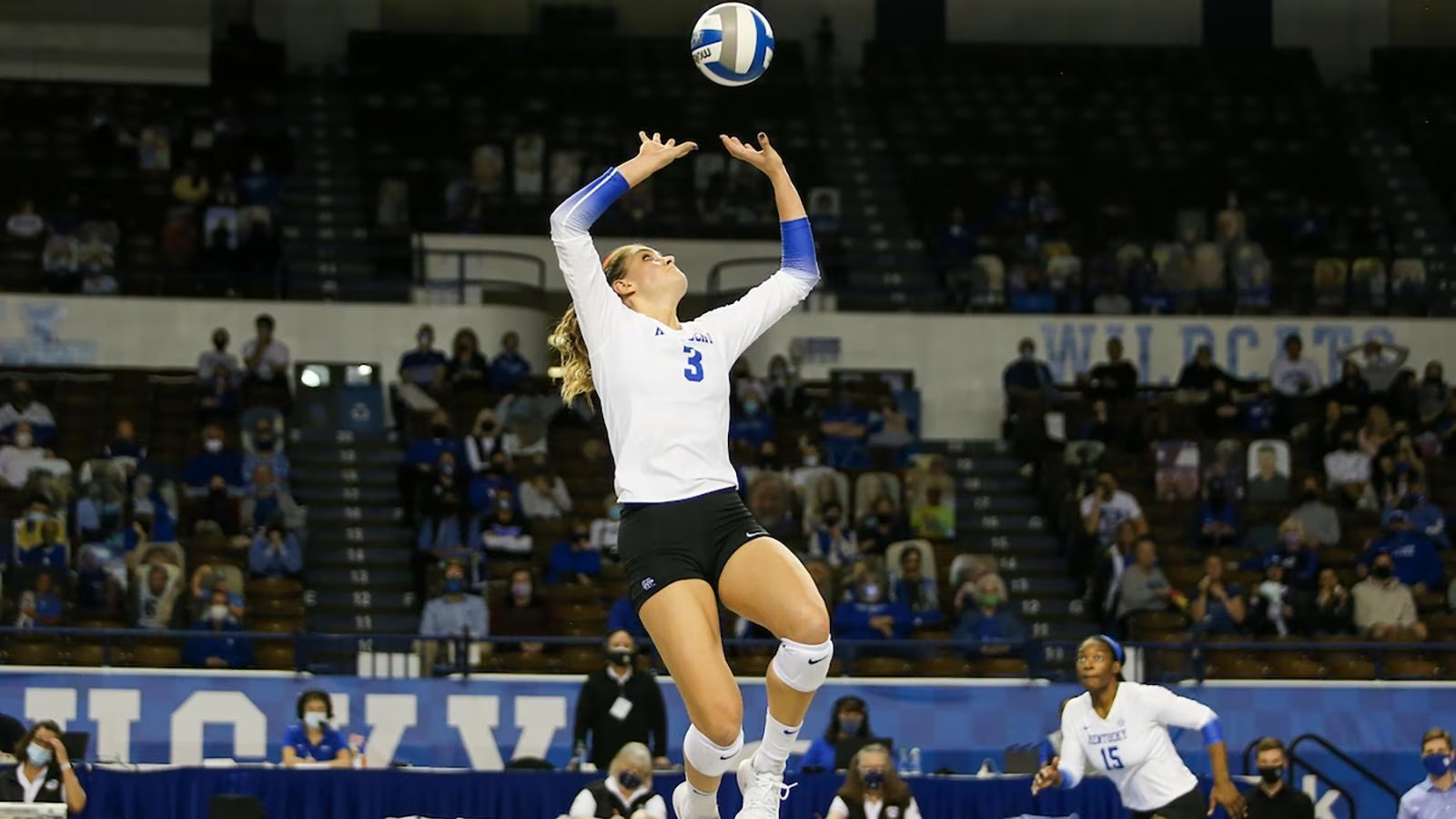
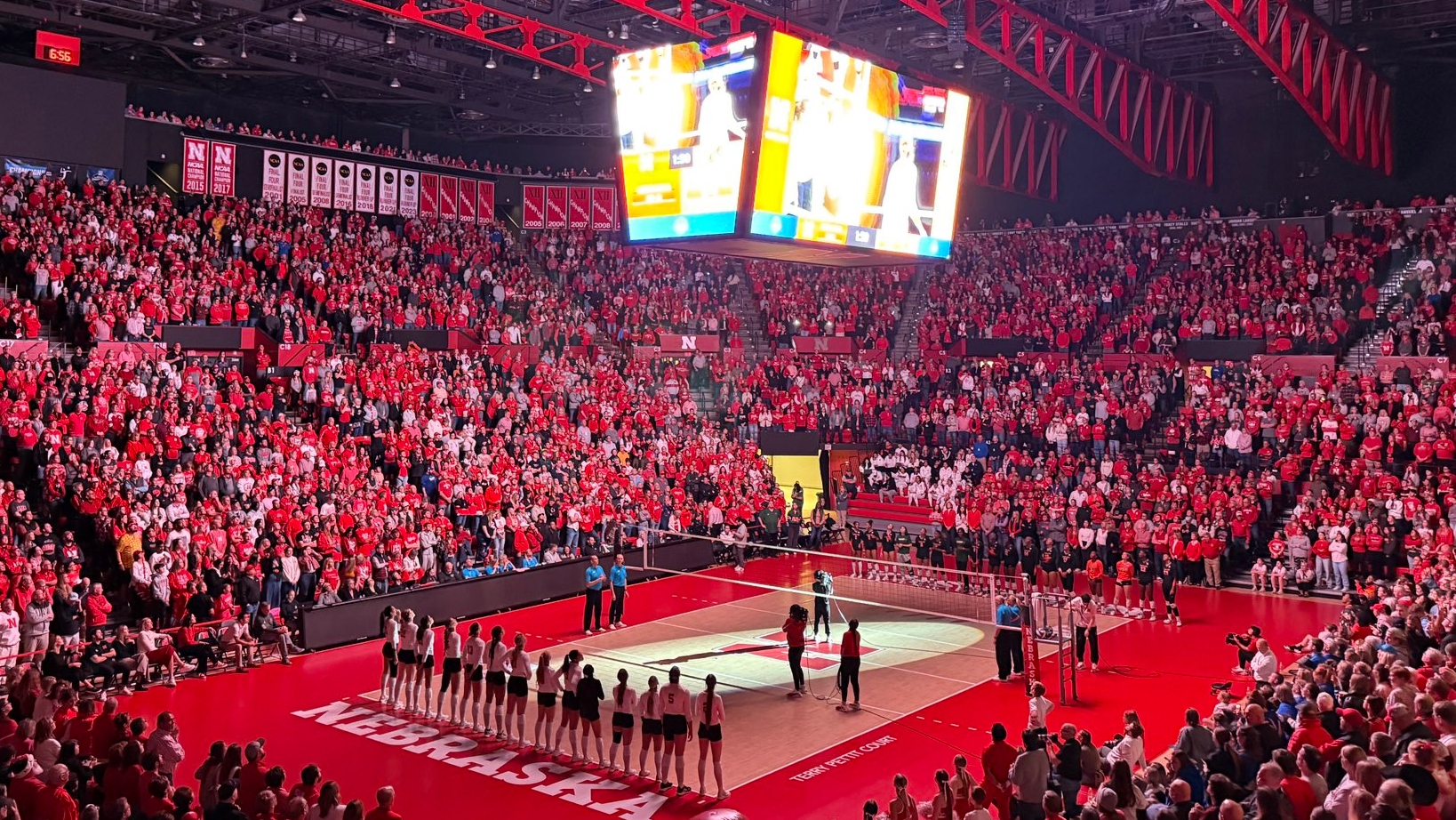
• Women’s volleyball.
• Women’s tennis.
• Women’s gymnastics.
In those sports, if a coach gives you an athletic scholarship, it is a full ride athletically. That does not automatically mean every cost of attendance detail is covered exactly the same way at every school, but functionally you are on a full athletic scholarship compared to your teammates.
Every other NCAA sport is an “equivalency” sport. Coaches in these sports can split their scholarship dollars across a large roster. So a team might have the equivalent of, say, 9 or 12 full scholarships, but 25 to 35 players to help.
In equivalency sports, what people call “full ride athletic scholarships” are much rarer. Coaches are usually trying to stretch their budget to support as many impact players as possible, not give one or two recruits all the money.
The National Federation of State High School Associations (NFHS) reminds families that there are millions of high school athletes and only a fraction will receive any athletic aid. Their materials at https://www.nfhs.org are a good reality check on how competitive the college sports landscape is.
Full ride athletic scholarships show up differently across the levels and associations. Here is the big picture, without sugarcoating it.
Division I is where most people imagine full rides happening. The reality depends heavily on your sport.
In headcount sports, athletic full rides are the norm for athletes who are on scholarship. But even then, only some players are on scholarship at all. Many programs carry walk ons who receive no athletic money.
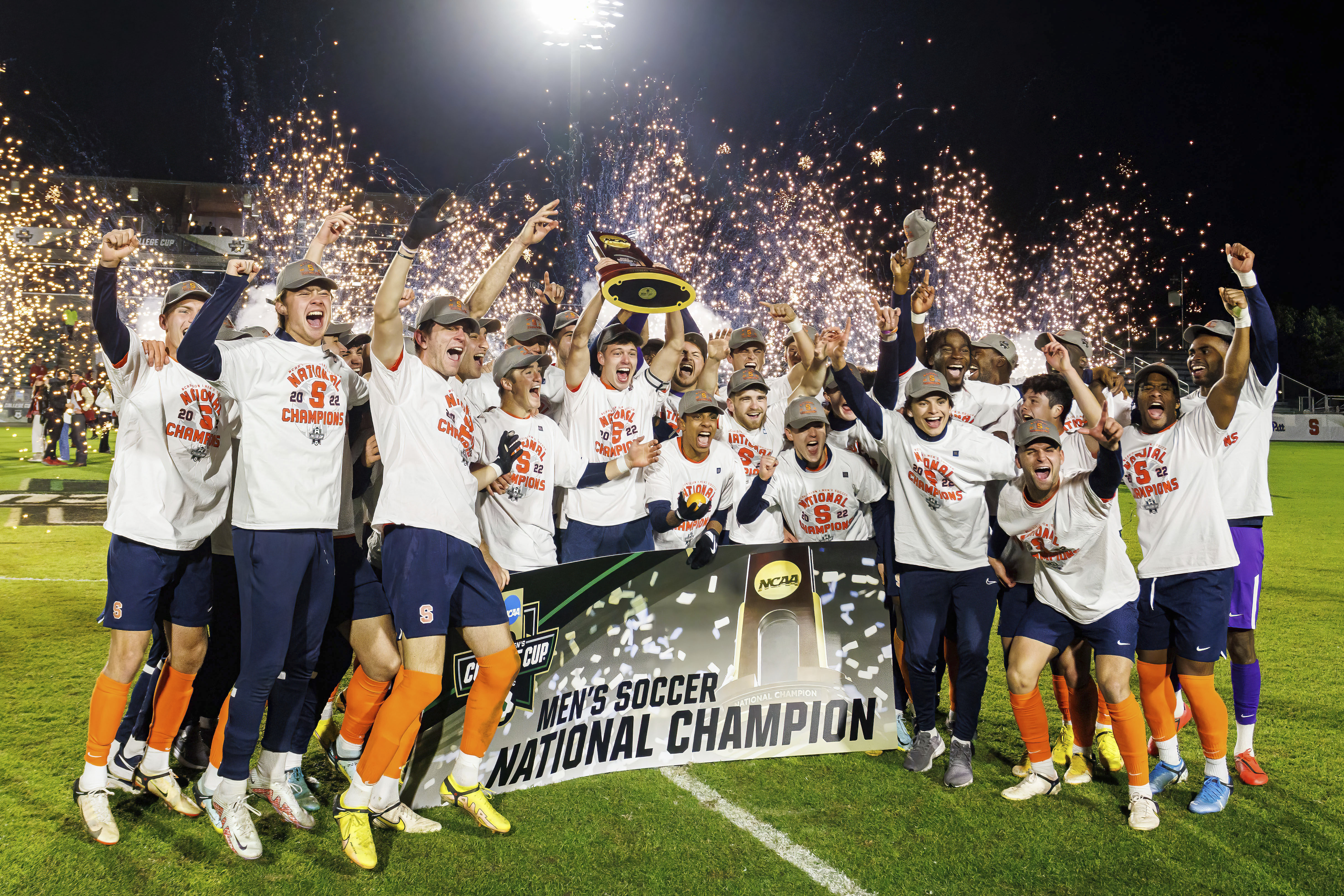
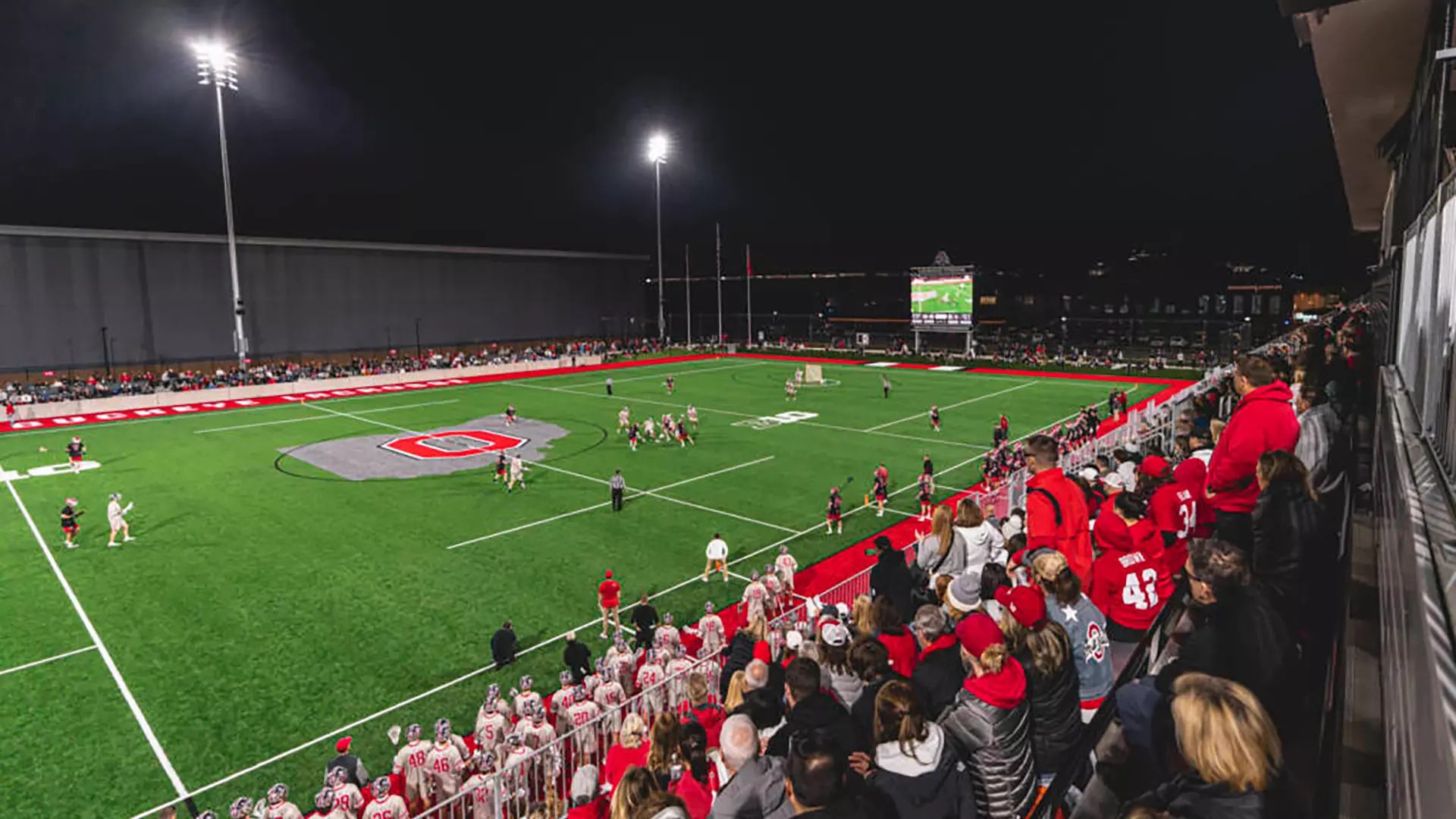
In equivalency sports, like baseball, soccer, track and field, softball, and many others, the coach might spread scholarships across most of the roster. One athlete may get 70 percent, another 30 percent, another 10 percent, and many get zero. A pure full ride athlete is usually a game changing player at this level.
Division II uses equivalency scholarships in almost every sport. That means very few pure full ride athletic scholarships and lots of partial awards.
The positive side is that D2 schools often combine athletic money with strong academic scholarships. A recruit with solid grades might get a smaller percentage of athletic aid that, when stacked with academic and need based awards, ends up covering most or all of their costs.
Division III schools do not offer athletic scholarships. That means no full ride athletic scholarships in the technical sense.
However, high academic achievers can absolutely create a “full ride feeling” by stacking merit awards, need based aid, and other institutional grants. Some D3 athletes pay less than many D1 athletes because their academic and financial aid packages are that strong.
NAIA programs often have scholarship limits similar to NCAA equivalency sports. Full ride athletic scholarships are possible but rare. Many NAIA coaches stretch their budgets to put together partial packages for a long list of recruits.
You can explore NAIA recruiting basics and scholarship principles directly at https://www.naia.org. Just like NCAA schools, NAIA programs are piecing together aid from multiple sources, not relying only on pure full rides.
Some junior colleges do offer full ride athletic scholarships, especially in certain regions and sports. Others offer partial aid, and some offer no athletic aid at all.
JUCO is often one of the best value paths in college sports. Two affordable years there, combined with a transfer scholarship later, can beat chasing a tiny piece of a big name school that still leaves you with large bills.
If you want help mapping which levels might give you the best payoff, you can ask Pathley something like: How do athletic, academic, and need based aid usually combine for recruits like me?
There is a lot of mythology around scholarships. Believing the wrong stories can push you toward bad decisions.
Myth: If I am good enough, coaches will just find me and offer a full ride.
Reality: Coaches are busy, have limited live evaluation time, and rely heavily on proactive recruits, events, and trusted recommendations. Full ride athletic scholarships usually go to players who are both high level and very intentional about getting on the radar early.
Myth: Division I automatically means a full ride.
Reality: Most D1 athletes are not on a full ride. Many are on partial scholarships, and some are walk ons receiving no athletic money at all. Level and logo do not guarantee how much aid you get.
Myth: Full rides are four year guarantees no matter what.
Reality: Most athletic scholarships are one year renewable. Coaches expect athletes to keep their spot by performing, staying healthy, and following team standards. Some schools and conferences limit non renewal for certain reasons, but very few scholarships are unconditional four year promises in writing.
Myth: Only stars and top scorers can get meaningful money.
Reality: Coaches pay for what they need. A lock down defender, elite libero, catcher who controls the staff, or goalkeeper who organizes the back line might be worth more scholarship money than a flashy scorer on that specific roster.
Myth: If I am not getting a full ride offer, it is not worth it.
Reality: Some of the best financial outcomes come from smart partial scholarships combined with academic and need based aid at schools that are already affordable. Chasing the words “full ride” at all costs can actually cost your family more.
From a coach’s perspective, scholarship money is a roster building tool. They are trying to create the strongest team possible over multiple years, not just reward individual players.
Common patterns you will see:
• Coaches give bigger percentages to athletes who impact the game heavily, especially at premium positions.
• They may invest more in upperclassmen who have already proven themselves in the program.
• Freshmen may come in on smaller packages with the chance to earn more money later.
• Coaches consider injury risk, academics, character, and fit when deciding how much money to commit.
Even in sports where full ride athletic scholarships exist, many coaches keep at least one scholarship “open” or partially uncommitted to handle late transfers, surprise recruits, or roster needs that pop up.
You are not just competing to be “good enough for the roster.” You are competing to be valuable enough in that coach’s eyes to justify a larger percentage of a very limited budget.
Instead of asking “How do I get a full ride,” a better question is “How do I build a full plan to pay for college?” That shift in mindset will save you a lot of stress and money.
Your full plan might include:
• Athletic scholarship money, whether partial or full.
• Academic or merit scholarships for grades and test scores.
• Need based aid, based on your family’s financial situation and FAFSA information.
• State grants and local scholarships.
• Reasonable work study or part time work, depending on your workload and season.
At many schools, a recruit on a 30 or 40 percent athletic scholarship with strong academic and need based aid can end up paying less than someone on a 100 percent athletic ride at a much more expensive school.
If you want to see how this plays out across real campuses, use the Pathley College Directory to explore schools, costs, and academic profiles, then let Pathley’s AI help you estimate how different aid types might stack up for you.
A big trap recruits fall into is comparing scholarships by percentage without looking at actual dollars.
Example:
• Offer A: 50 percent athletic scholarship at a school that costs 60,000 per year.
• Offer B: 20 percent athletic scholarship at a school that costs 30,000 per year, plus 15,000 in academic money.
On the surface, Offer A sounds better because 50 percent sounds bigger than 20 percent. But when you do the math, Offer B might be thousands of dollars cheaper every year.
This is why “chasing full ride athletic scholarships” can be a distraction. You are not paying with percentages. You are paying with actual dollars.
If you want a smarter starting point for comparing options, you can browse the Pathley Rankings Directory to find strong academic and financial fits, then dive deeper with Pathley’s AI guidance.
You cannot control everything about scholarship money, but you can absolutely tilt the odds in your favor.
Good grades and test scores do two huge things for you:
• They open more admissions doors. Coaches love recruits who clear admissions early and easily.
• They unlock academic scholarships that stack with athletic money, especially at private schools and higher cost institutions.
A coach might say, “I can only offer you 25 percent athletically, but with your GPA and test scores, you will likely get 15,000 in academic aid.” That academic piece is often easier to increase than the athletic one, because coaches have limited athletic budgets but admissions offices have broader academic scholarship programs.
Being realistic about your athletic level, position, and timeline matters as much as any single game or event.
• If you are an impact player for mid level D2 or NAIA programs, you might receive more money and real playing time than being barely on the radar at low end D1s.
• If your dream major is very strong at certain D3 schools, you may get incredible academic money and a great on field experience with no athletic aid at all.
• If finances are tight, high value JUCO paths can be better than chasing tiny offers at expensive four year schools.
Instead of guessing, you can ask Pathley something like: Which colleges could give me the best overall financial package for my grades and athletic level?
Scholarship money flows more often to athletes who treat recruiting like a serious project, not a side hobby.
• Build a clean, updated athletic resume that includes academic info, key stats, and links to game or highlight film.
• Reach out to coaches with personalized emails that explain why their school fits you athletically and academically.
• Follow up when you have new achievements, film, or test scores.
• Respect deadlines and visit opportunities so coaches can see how you fit their program culture.
Using an AI tool like Pathley helps you organize this process. Pathley can show you where you fit, what to say, and how to time your outreach so you are not guessing.
When the conversation turns to money, many families freeze. They either avoid the topic completely or ask one vague question that does not tell them much.
Instead of saying “Can I get a full ride,” try questions like:
• “How do you usually divide your scholarship money by class and position on your roster?”
• “What does a typical financial aid package look like for players in my role here?”
• “How do athletic scholarships interact with academic and need based aid at your school?”
• “What expectations come with scholarship money in terms of performance, behavior, and staying in the program?”
These questions help you understand the coach’s philosophy, not just the number on your first offer. A smaller initial scholarship at a program that rewards development and loyalty might be better than a slightly larger number at a place that cuts aggressively every year.
The reality is simple: chasing full ride athletic scholarships without a plan is like playing a game without knowing the score, the rules, or the clock. You might be working hard, but you have no idea if your effort is pointed in the right direction.
Pathley is built to fix that. Instead of random advice or one size fits all recruiting packages, Pathley gives you:
• An AI chat that understands your sport, level, and goals, and can answer questions in real time as your situation changes.
• Tools to organize your athletic resume, track your progress, and keep your recruiting steps structured and timely.
• Smart guidance on matching with schools where your athletic ability, academics, and financial reality actually line up.
If you are trying to figure out how money fits into your recruiting story, a great starting point is simply asking: When should I start talking to college coaches about scholarship money and what should I say?
Here is the bottom line on full ride athletic scholarships.
• True full rides are rare and concentrated in a few sports and situations.
• Most college athletes are on partial athletic scholarships, or no athletic money at all, combined with other aid.
• Chasing the words “full ride” can distract you from finding the best overall fit and financial plan.
• The athletes who win in this process know their level, own their academics, communicate well with coaches, and use all types of aid to make college possible.
Full ride athletic scholarships might be part of your story, or they might not. What matters is that you walk onto campus at a school that fits you, with a financial plan your family can handle, and the confidence that you made smart choices along the way. Pathley is here to help you do exactly that.
Rosters, coaches, and division breakdowns for every NCAA and NAIA program we track.